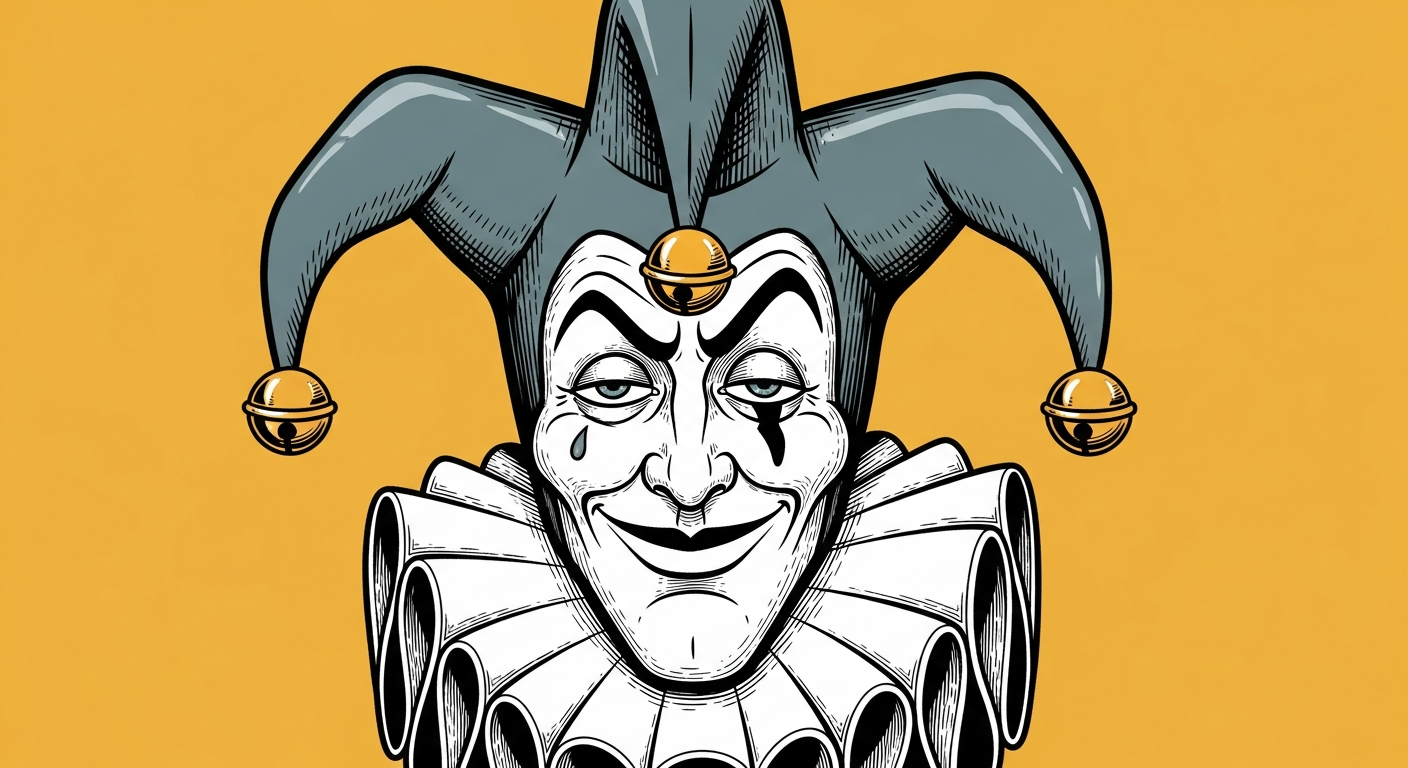
Humor in advertising is one of the highest-risk, highest-reward strategies available to marketers. When it works, funny ads generate massive sharing, build instant brand affinity, and create cultural moments that outlast the media buy.
When it fails, humor alienates audiences, overshadows the brand message, and burns budgets on entertainment that drives zero commercial results. Kantar’s global research shows humorous ads are 47% more memorable than non-humorous ads, but only when the humor connects to the brand rather than distracting from it.
Why Humor Works in Advertising
The Psychology of Laughter and Brand Recall
Laughter triggers the release of endorphins, the brain’s natural feel-good chemicals.
When a viewer laughs at an ad, the brain creates a positive association between that emotional state and the brand on screen. This is classical conditioning applied to advertising: the humor is the unconditioned stimulus, the positive feeling is the response, and the brand becomes the conditioned stimulus. A meta-analysis published by Martin Eisend in the Journal of the Academy of Marketing Science, combining 369 correlations, found that humor in advertising has a significant positive effect on attention, positive affect, and purchase intention.
The recall advantage is substantial. Kantar’s database of over 200,000 tested ads shows humorous ads achieve 47% higher brand recall than the average ad.
Endorphins, Positive Associations, and Purchase Intent
The Mayo Clinic’s research on laughter confirms that humor reduces cortisol (the stress hormone) and increases endorphin production.
For advertisers, this means humorous ads are processed in a lower-resistance mental state. The viewer’s critical defenses relax, making brand messages more likely to bypass skepticism. This effect is particularly valuable for categories where consumers have strong negative associations, such as insurance, financial services, and pharmaceuticals. GEICO’s gecko and Progressive’s Flo transformed insurance advertising precisely because humor made an unpleasant purchase category feel approachable.
The Virality Factor
Humor is the single most shared content type on social media.
Research from Jonah Berger at Wharton found that content triggering high-arousal positive emotions, with humor ranking highest, generates significantly more sharing than informational or neutral content. Dollar Shave Club’s launch video, produced for $4,500, was shared so extensively that the company gained 12,000 subscribers in the first 48 hours. This viral potential means humorous ads generate earned media value that multiplies the paid media investment.
The catch is that virality without brand linkage is worthless. Millions of people watch funny ads without remembering which brand made them.
Types of Humor in Advertising
Slapstick and Physical Comedy
Slapstick humor uses exaggerated physical actions, mishaps, and visual gags to generate laughs.
Doritos has built its Super Bowl advertising strategy around slapstick, with ads featuring dogs tackling humans, babies launching projectiles, and elaborate physical chain reactions. Snickers’ “You’re Not You When You’re Hungry” campaign uses physical comedy transformation, with characters like Betty White getting tackled in a football game before eating a Snickers bar. Slapstick works across language barriers, making it effective for global campaigns.
The risk is that slapstick can feel juvenile for premium or professional brands.
Wit and Wordplay
Intellectual humor rewards the audience for being clever enough to get the joke.
The Economist’s outdoor advertising campaign, featuring headlines like “I never read The Economist. Management trainee, aged 42,” targets intelligent, ambitious professionals. This humor type creates an in-group feeling: if you understand the joke, you belong to the brand’s target audience. Wit works best for brands targeting educated, high-income demographics.
The limitation is narrower appeal.
Absurdist Humor
Absurdist advertising throws logic out the window to create unforgettable brand moments.
Old Spice’s “The Man Your Man Could Smell Like” is the definitive example. Isaiah Mustafa delivering rapid-fire monologues while transitioning impossibly between locations, from shower to boat to horse, created a cultural phenomenon. Skittles takes absurdism even further, with ads featuring talking animals, sentient clouds, and deliberately bizarre scenarios. The approach works because the sheer strangeness demands attention in a cluttered media environment.
Absurdist humor requires total brand commitment. Half-measures feel confused rather than funny.
Parody and Satire
Parody mocks recognizable cultural formats, genres, or competitors to create humor through subverted expectations.
GEICO’s long-running campaign parodies multiple advertising formats themselves: reality shows, nature documentaries, and infomercials all get the GEICO treatment. Progressive’s commercials satirize everyday consumer experiences with insurance. Parody works because it leverages existing cultural knowledge, reducing the cognitive effort needed to understand the joke.
Self-Deprecating Humor
Brands that laugh at themselves create authenticity and likability.
Apple’s “Mac vs. PC” campaign featured the Mac as a cool, casual character and the PC as a stuffy, awkward one. While technically comparative advertising, the humor came from gentle mockery that made both characters endearing. KFC’s “FCK” apology ad, responding to a chicken shortage that forced store closures, rearranged the letters of its own name into an expletive on a bucket. The self-deprecating honesty generated overwhelmingly positive press coverage and customer goodwill.
Self-deprecation requires confidence. Only secure brands can laugh at their own failures.
Observational Humor
Observational humor draws comedy from relatable everyday experiences.
Spotify Wrapped billboards turn user data into observational comedy: “Dear person who played ‘Sorry’ 42 times on Valentine’s Day, what did you do?” These ads work because the audience recognizes themselves or someone they know. Social proof amplifies the effect, as sharing these relatable moments creates community around the brand.
This humor type requires genuine audience insight, not assumptions.
Humor Type Effectiveness Comparison
| Humor Type | Best For | Risk Level | Recall Impact | Best Channels |
|---|---|---|---|---|
| Slapstick | FMCG, snacks, beverages | Low | High | TV, video, social |
| Wit/Wordplay | Premium, professional, media brands | Low | Moderate | Print, OOH, social |
| Absurdist | Youth brands, FMCG, entertainment | Medium | Very High | TV, video, social |
| Parody/Satire | Insurance, finance, challenger brands | Medium | High | TV, video |
| Self-Deprecating | Brands recovering from PR issues, heritage brands | Medium | High | Print, social, PR |
| Observational | Tech, streaming, lifestyle brands | Low | High | OOH, social, digital |
10 Humor in Advertising Examples That Built Brands
1. Old Spice “The Man Your Man Could Smell Like” (Brand Revival)
In 2010, Old Spice was a declining brand associated with grandfathers.
Wieden+Kennedy created a campaign featuring Isaiah Mustafa delivering absurdist monologues in a single continuous shot, transitioning from bathroom to boat to horseback. The campaign generated over 1.4 billion media impressions and increased Old Spice body wash sales by 125% by July 2010, according to Wieden+Kennedy. Old Spice went from brand irrelevance to cultural icon through humor alone.
The follow-up “Response” campaign, where Mustafa replied to social media comments in real-time video, extended the humor into a genuine two-way conversation.
2. Dollar Shave Club Launch Video (Startup Disruption)
Michael Dubin’s 2012 launch video, “Our Blades Are F***ing Great,” cost $4,500 to produce.
The deadpan delivery, warehouse setting, and irreverent humor cut through razor category advertising dominated by Gillette’s polished, athlete-endorsed campaigns. The video earned 12,000 subscribers in the first 48 hours and eventually accumulated over 28 million views. Unilever acquired Dollar Shave Club for $1 billion in 2016, validating humor as a viable brand-building strategy for startups.
3. Metro Trains Melbourne “Dumb Ways to Die” (Public Safety Through Humor)
A train safety campaign should not be catchy. This one became a global phenomenon.
The animated music video depicted cute characters dying in absurd ways, ending with train safety messages. The song reached number 6 on the iTunes chart. Metro Trains reported a 21% reduction in train station incidents following the campaign’s launch. “Dumb Ways to Die” proved that humor can make even life-safety messages shareable and memorable.
The campaign won five Cannes Grand Prix awards, more than any campaign in Cannes history at the time.
4. GEICO Gecko (Long-Running Character Consistency)
GEICO introduced the Gecko character in 1999 and has maintained the campaign for over 25 years.
The Gecko’s gentle humor, British accent, and everyman personality give GEICO a distinctive brand voice in the cluttered insurance category. GEICO’s market share grew from approximately 5% to over 14% during the campaign’s run, making it the second-largest auto insurer in the United States. Consistent character-based humor builds cumulative brand equity that short-term campaigns cannot match.
5. Snickers “You’re Not You When You’re Hungry” (Universal Insight)
The 2010 Super Bowl ad featuring Betty White playing football launched a global platform built on a single insight: hunger changes your personality.
The campaign ran in over 80 countries, each with locally relevant celebrity casting. Global sales increased by 15.9% in the first year, according to Mars and WARC case studies. The humor works because the insight is universally relatable. Everyone has experienced becoming irritable when hungry. Snickers linked that universal truth to its product with humor as the delivery mechanism.
6. Spotify Wrapped Billboards (Data-Driven Humor)
Since 2016, Spotify has turned anonymized user listening data into outdoor advertising that combines observational humor with cultural commentary.
Headlines like “Be as loving as the person who put 48 Ed Sheeran songs on their ‘I Love Gingers’ playlist” create shareable moments grounded in real data. The annual Wrapped campaign generates billions of social impressions as users share their own listening data. Spotify transformed a product feature (listening history) into a humor-driven brand awareness campaign.
7. Wendy’s Twitter Roasts (Social Media Humor Strategy)
In 2017, Wendy’s social media team began roasting competitors and customers on Twitter with sharp, irreverent humor.
The strategy was a calculated risk. A fast food brand openly mocking competitors and even its own customers breaks every social media “best practice” guideline. Yet Wendy’s Twitter following grew from roughly 2 million to over 3.8 million in two years, with retweet rates 10 to 15 times higher than industry norms. The lesson: humor on social media must match the platform’s culture. Twitter rewards sharp wit; Instagram rewards visual humor; TikTok rewards absurdism.
Wendy’s succeeds because the humor is consistent, confident, and brand-aligned.
8. KFC “FCK” Apology Ad (Crisis Humor)
In 2018, a logistics failure forced KFC to close most of its 900 UK locations because it ran out of chicken.
Rather than issuing a corporate apology, KFC ran a full-page newspaper ad showing an empty bucket with the letters rearranged to spell “FCK.” The ad generated over 1 billion media impressions and was widely praised as one of the greatest crisis management responses in advertising history. Mother London, the agency behind the ad, understood that self-deprecating humor defuses anger faster than corporate sincerity.
9. Budweiser “Wassup” (Cultural Phenomenon)
DDB Chicago’s 2000 campaign turned a simple greeting between friends into a global catchphrase.
The “Wassup” ads showed friends calling each other and stretching out the greeting into absurd, exaggerated lengths. The campaign won the Cannes Grand Prix and became one of the most culturally referenced ads of the 2000s. Budweiser’s sales grew during the campaign’s initial run, and the brand revived the concept during the 2020 Super Bowl, proving the enduring power of humor-driven cultural moments.
The simplicity was the genius. No special effects, no celebrities, just friends being ridiculous together.
10. Apple “Mac vs. PC” (Competitive Humor)
Apple’s 2006-2009 campaign featured Justin Long as the cool, relaxed Mac and John Hodgman as the stiff, problem-plagued PC.
The 66 ads in the series used gentle, character-based humor to highlight Mac advantages without aggressive competitor attacks. Mac’s U.S. market share grew from approximately 3.5% to nearly 9% during the campaign’s run, according to IDC data. The humor worked because it was likable rather than mean-spirited, making viewers identify with the Mac character rather than resent the comparison.
When Humor in Advertising Backfires
The “Vampire Effect”: Humor Steals Attention from the Brand
The vampire effect occurs when viewers remember the joke but forget the brand behind it.
Research from the Ehrenberg-Bass Institute found that only 16% of TV ads are both recalled and correctly attributed to the brand, and humorous ads are particularly vulnerable to this misattribution effect. If the funniest moment in your ad does not involve your product, you have created entertainment, not advertising. GEICO avoids this by making the Gecko the punchline delivery vehicle, ensuring the brand is inseparable from the humor.
Cultural Missteps and Offensive Humor
Humor is deeply cultural. What generates laughter in one market creates offense in another.
Sarcasm and irony work in British and Australian advertising but can feel hostile in markets that value directness and sincerity. Slapstick and physical comedy translate better globally because they do not depend on language. Brands running international campaigns must test humor in each market rather than assuming universal appeal. The safest approach for global campaigns is observational humor based on universal human experiences.
Humor That Overshadows the Brand Message
Super Bowl ads are the most common offenders.
Brands spend $7 million on a 30-second spot, hire A-list comedians, and create genuinely funny content that generates zero commercial return. Ad recall surveys after the Super Bowl consistently show that viewers remember the funniest ads but frequently misattribute them to the wrong brand. The solution is structural: the product or brand must be woven into the comedic premise, not tacked onto the end.
How to Use Humor in Your Advertising
Match Humor to Your Brand Personality
Your humor style must feel like a natural extension of your brand voice.
Old Spice’s absurdism works because the brand has no pretension to defend. A luxury brand like Rolex using the same approach would destroy decades of carefully built prestige. Before choosing a humor style, audit your existing brand positioning and ask: would our existing customers find this funny, or confusing?
Keep the Product Central
The most effective humorous ads make the product the source of the comedy, not a bystander to it.
Snickers’ “You’re Not You When You’re Hungry” is funny because the product resolves the comedic situation. Dollar Shave Club’s video is funny because the product’s simplicity exposes the absurdity of premium razor marketing. When the product drives the joke, brand recall and humor reinforce each other rather than competing.
Test Before You Launch
Humor is subjective. What your creative team finds hilarious may land flat with your target audience.
Pre-testing humorous ads using tools like System1’s Star Rating or Kantar’s Link+ costs a fraction of the media buy and can predict in-market performance. Testing is especially critical for humor that involves cultural references, competitor comparisons, or potentially sensitive subjects. A/B testing on digital platforms provides additional data at minimal cost.
B2B Humor: Yes, It Works
The assumption that B2B advertising must be serious is wrong.
LinkedIn and Magna research found that creative B2B ads, including those using humor, yield up to 40% higher purchase consideration than non-creative ads. Slack, Mailchimp, and Zendesk have all used humor effectively in B2B marketing. The key is matching the humor to professional contexts. Observational humor about workplace frustrations resonates strongly with B2B buyers because it demonstrates genuine understanding of their daily reality.
Business buyers are still human beings. They respond to laughter just as consumers do.
Humor Across Media Channels
TV and Video
Television remains the strongest channel for humorous advertising because timing, delivery, and visual comedy all require the moving image.
Video ads allow comedic setup and payoff that static formats cannot replicate. The Super Bowl remains the ultimate stage for humorous advertising, with humor consistently dominating the most-recalled Super Bowl ads year after year. YouTube and streaming pre-roll also support long-form humorous content.
Social Media
Each social platform has its own humor culture.
Twitter rewards sharp, text-based wit (Wendy’s model). Instagram favors visual humor and memes. TikTok demands authentic, unpolished humor that feels native to the platform. Brands that repurpose TV humor directly to social media usually fail because the formats demand different comedic approaches. The brands winning on social, like Duolingo on TikTok, create platform-native humor rather than adapting traditional campaigns.
Print and Out-of-Home
Print humor relies on visual punchlines and clever headlines that reward a moment of thought.
The Economist’s outdoor campaign is the gold standard: single-line headlines on a red background that make the reader feel smart for understanding the joke. Spotify Wrapped billboards demonstrate how data can power outdoor humor. OOH humor must work in seconds because the viewer is moving past the ad.
FAQ
Does humor in advertising actually work?
Yes. Kantar’s analysis of over 200,000 ads shows humorous ads achieve 47% higher brand recall than average. The IPA databank confirms that campaigns with humor outperform non-humorous campaigns on key metrics including awareness, brand consideration, and sales. However, the humor must connect to the brand. Funny ads where viewers cannot recall the advertiser generate entertainment value but zero commercial return.
What types of humor work best in advertising?
The most effective humor type depends on your brand, audience, and channel. Absurdist humor generates the highest recall. Observational humor creates the strongest relatability. Self-deprecating humor builds the most authenticity. Wit and wordplay work best for premium audiences. Slapstick has the broadest demographic appeal and translates best across languages and cultures.
Can B2B brands use humor?
Absolutely. LinkedIn and Magna research shows creative B2B ads, including those with humor, generate up to 40% higher purchase consideration than non-creative approaches. Slack, Zendesk, and Mailchimp have all built brand awareness through humorous campaigns. The most effective B2B humor draws from workplace situations and professional frustrations that the target audience experiences daily.
What are the risks of humor in advertising?
The three main risks are the vampire effect (humor overshadowing the brand), cultural missteps (humor that offends rather than entertains), and brand mismatch (humor that conflicts with established brand positioning). Pre-testing and keeping the product central to the comedic premise mitigate all three risks.
How do you measure if a funny ad is effective?
Measure humorous ad effectiveness through aided and unaided brand recall, brand attribution accuracy (do viewers correctly identify your brand as the advertiser?), social sharing volume, earned media value, and ultimately sales lift or brand consideration change. The most important diagnostic is brand attribution: if recall is high but attribution is low, the humor is working against you.
Humor remains one of the most effective tools in advertising when deployed with strategic discipline. For related advertising strategies, see our analysis of emotional advertising techniques and the complete guide to types of advertising used by leading brands today.