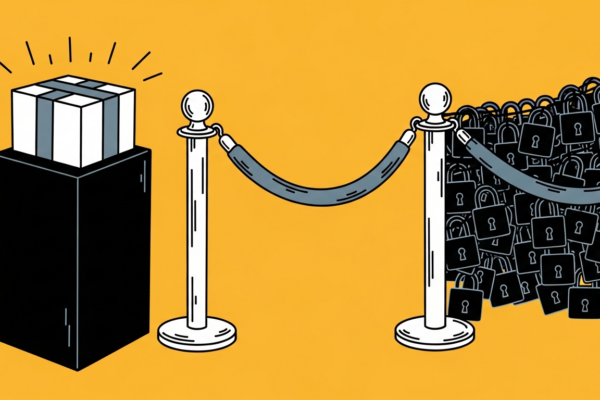
Market segmentation is the foundation of every effective marketing strategy. Without it, you are spending budget on audiences who will never buy, while ignoring the people most likely to convert.
What Is Market Segmentation?
Market segmentation is the process of dividing a broad market into smaller, defined groups of consumers who share similar characteristics, needs, or behaviors. The goal is precision. Instead of broadcasting one message to everyone, segmentation lets you tailor offers, messaging, and channels to the people most likely to respond.
The concept dates back to 1956, when economist Wendell R. Smith published “Product Differentiation and Market Segmentation as Alternative Marketing Strategies” in the Journal of Marketing. Smith argued that markets are naturally heterogeneous and that treating them as uniform leads to wasted resources. That insight transformed how companies approach their target audience.
Seven decades later, the principle has not changed.
What has changed is the data available to execute it. Modern CRM platforms, analytics tools, and first-party data collection give marketers granularity that Smith could never have imagined. According to a Bain & Company study, companies with effective segmentation strategies achieve 10% higher profits over a five-year period than those relying on broad targeting. The implication is clear: segmentation is not optional, it is the price of entry for competitive marketing.
Why Market Segmentation Matters for Marketers
Segmentation drives results across every stage of the customer journey.
When you know exactly who you are targeting, media buying becomes more efficient, creative resonates more deeply, and conversion rates climb. According to Nielsen research, ad partners who delivered more ads to their target audience realized an average ROI of $2.60 per $1 spent, compared to just $0.25 for those with poor targeting accuracy. That gap compounds over time as segmented audiences become more loyal and more profitable.
There are five core benefits worth understanding.
Higher marketing ROI. Every dollar goes further when you stop paying to reach people outside your segment. Brands that segment their email lists, for example, see a 760% increase in revenue from those campaigns compared to non-segmented sends, according to Campaign Monitor and DMA research.
Sharper market positioning. Segmentation reveals where competitors are weak and where unmet demand exists. This directly informs your positioning strategy.
Better product development. When you understand the specific needs of each segment, you build products that solve real problems instead of guessing at features.
Improved customer retention. Customers who feel understood stay longer. Segmentation allows you to personalize post-purchase communication, loyalty programs, and upsell offers.
Niche market discovery. Broad targeting hides profitable niches. Segmentation surfaces underserved groups that competitors overlook, creating opportunities for competitive advantage.
8 Types of Market Segmentation
Each segmentation type answers a different question about your audience. The most effective strategies combine two or more types to create multidimensional segments that predict behavior with greater accuracy.
| Segmentation Type | Primary Question | Key Variables | Best For |
|---|---|---|---|
| Demographic | Who is the buyer? | Age, gender, income, education, occupation | B2C mass-market products |
| Geographic | Where is the buyer? | Country, city, climate, urban vs. rural | Location-dependent products and services |
| Psychographic | Why do they buy? | Values, interests, lifestyle, personality | Brand positioning and messaging |
| Behavioral | How do they buy? | Purchase history, usage rate, loyalty status | Retention, upselling, lifecycle marketing |
| Firmographic | What is the company? | Industry, company size, revenue, location | B2B marketing and sales |
| Technographic | What tech do they use? | Software, hardware, platforms, adoption level | SaaS, tech products, digital services |
| Generational | When were they born? | Gen Z, Millennial, Gen X, Boomer cohorts | Media planning and creative tone |
| Transactional | What do they spend? | Order value, frequency, recency, payment method | E-commerce, loyalty programs, CRM |
1. Demographic Segmentation
Demographic segmentation divides the market based on measurable population characteristics: age, gender, income, education, marital status, and occupation. It is the most widely used segmentation type because demographic data is easy to collect and widely available through census data, CRM systems, and advertising platforms.
Nike provides a textbook example.
The company segments by age and gender across its product lines. Nike Women targets female athletes aged 18 to 34 with specific product lines, dedicated social media accounts, and tailored campaigns like the “Dream Crazier” series. Nike Men and Nike Kids operate as distinct segments with different messaging, product assortments, and media strategies. Each segment receives a different version of the brand, even though the parent brand identity stays consistent.
Income-based demographic segmentation also drives pricing strategy. Apple segments its iPhone lineup into price tiers, with the iPhone SE targeting budget-conscious consumers and the iPhone Pro Max targeting high-income buyers willing to pay a premium for camera technology and screen size.
The limitation of demographic segmentation is that it tells you who someone is, not why they buy. Two 35-year-old women with similar incomes can have completely different purchasing motivations.
2. Geographic Segmentation
Geographic segmentation groups consumers based on their physical location.
This includes country, region, city, population density, and climate. It matters most for businesses where location directly affects product relevance. A snow equipment brand has no reason to market in tropical markets. A food brand needs to adjust flavors for regional taste preferences.
McDonald’s is the gold standard for geographic segmentation. In Japan, the chain offers the Teriyaki McBurger and Ebi Filet-O (shrimp burger). In India, where beef consumption is restricted for cultural and religious reasons, the menu features the McAloo Tikki (potato-based) and Chicken Maharaja Mac. Each market gets a localized menu built around regional food culture, while the core brand experience remains consistent globally.
Climate is another powerful geographic variable. Starbucks promotes iced beverages more heavily in warmer markets and warm seasonal drinks like the Pumpkin Spice Latte in markets with distinct autumn seasons.
Urban versus rural segmentation also drives distribution strategy, media channel selection, and pricing.
3. Psychographic Segmentation
Psychographic segmentation divides consumers based on psychological attributes: values, attitudes, interests, lifestyle, and personality traits. It answers the question that demographics cannot: why does this person buy?
Patagonia built its entire brand around psychographic segmentation.
The company targets consumers who prioritize environmental sustainability and outdoor adventure. These consumers are willing to pay premium prices for products made from recycled materials. Patagonia’s “Don’t Buy This Jacket” campaign in 2011 directly appealed to this segment’s values, asking consumers to consider the environmental cost of consumption. The campaign increased sales by nearly one-third to $543 million in 2012, proving that values-aligned messaging drives revenue when the segment is correctly identified (The Brand Hopper).
Psychographic data is harder to collect than demographic or geographic data. It typically requires surveys, social listening tools, focus groups, or inference from behavioral data. Platforms like Facebook and Instagram allow advertisers to target users based on interests and lifestyle indicators, making psychographic segmentation more accessible than it was a decade ago.
The SRI Consulting VALS framework (Values, Attitudes, and Lifestyles) remains one of the most cited psychographic models in marketing strategy.
4. Behavioral Segmentation
Behavioral segmentation groups consumers by their actions: purchase behavior, product usage, brand interactions, and decision-making patterns. This type is arguably the most actionable because it is based on what people actually do, not what they say they will do.
Netflix uses behavioral segmentation to power its entire recommendation engine and content investment strategy.
The platform tracks viewing history, time spent on each title, completion rates, pause-and-resume patterns, and even browsing behavior before a selection is made. This data creates micro-segments that determine which thumbnails each user sees, which titles appear on the home screen, and which content Netflix greenlights for production. According to a paper by Netflix VP of Product Innovation Carlos Uribe-Gomez and Chief Product Officer Neil Hunt, the recommendation algorithm saves the company over $1 billion per year in reduced churn.
Common behavioral variables include purchase frequency, average order value, brand loyalty status, benefits sought, and occasion-based buying. E-commerce brands use RFM analysis (Recency, Frequency, Monetary value) as a foundational behavioral segmentation framework.
Amazon segments customers behaviorally through its “Frequently bought together” and “Customers who bought this also bought” systems, turning transactional data into personalized value propositions for each shopper.
5. Firmographic Segmentation
Firmographic segmentation is the B2B equivalent of demographic segmentation. Instead of segmenting individuals, it segments companies by industry, company size, annual revenue, number of employees, and geographic location.
Every major B2B platform relies on firmographic segmentation.
LinkedIn’s advertising platform allows marketers to target by company size, industry, and job function. A SaaS company selling enterprise software will target companies with 500+ employees and $50M+ annual revenue. A small business accounting tool will target companies with fewer than 50 employees. The same product category, two completely different firmographic segments, two completely different marketing approaches.
Firmographic data is typically sourced from business databases like ZoomInfo, Dun & Bradstreet, and LinkedIn Sales Navigator. The variables are objective and verifiable, making firmographic segmentation highly reliable for B2B prospecting and account-based marketing (ABM).
The key limitation is that firmographic data alone does not reveal the decision-making process within a company. Two companies of the same size in the same industry can have radically different purchasing cultures.
6. Technographic Segmentation
Technographic segmentation categorizes prospects based on their technology stack, digital behavior, and technology adoption patterns.
This segmentation type emerged with the SaaS industry and has become essential for technology companies. If you sell a CRM integration tool, you need to know which CRM your prospects already use. If you sell cybersecurity software, you need to know which cloud infrastructure your prospects run on. Technographic data answers these questions before the first sales call.
Tools like BuiltWith, Datanyze, and HG Insights scrape website code, job postings, and public filings to build technographic profiles of companies. A marketing automation platform might segment prospects into “uses Mailchimp” versus “uses HubSpot” and tailor competitive messaging accordingly.
Technographic segmentation is also valuable for identifying early adopters versus laggards.
Intel uses technographic segmentation to differentiate its marketing between enterprise customers running legacy server infrastructure and those migrating to cloud-native architectures. Each segment receives different product recommendations, case studies, and ROI calculators. The messaging for a company still running on-premise servers looks nothing like the messaging for a company already invested in AWS or Azure.
7. Generational Segmentation
Generational segmentation divides the market into cohorts based on birth year, shared cultural experiences, and formative events.
The standard generational cohorts in marketing are Baby Boomers (1946 to 1964), Generation X (1965 to 1980), Millennials (1981 to 1996), and Generation Z (1997 to 2012). Each cohort has distinct media consumption habits, communication preferences, and purchasing behaviors shaped by the economic and technological environment they grew up in.
Gen Z, for example, spends an average of four or more hours per day on social media and prefers short-form video content on TikTok and Instagram Reels. Baby Boomers are more likely to engage with email marketing and long-form content. These differences directly impact channel strategy, creative format, and messaging tone.
However, generational segmentation has significant limitations.
Critics argue that generational labels create oversimplified stereotypes. A 28-year-old startup founder in Lagos and a 28-year-old teacher in rural Ohio are both “Millennials” but share almost nothing in terms of purchasing power, media habits, or brand preferences. Generational segmentation works best as a starting layer combined with behavioral or psychographic data, not as a standalone approach.
8. Transactional Segmentation
Transactional segmentation groups customers based on their past purchase data: how much they spend, how often they buy, when they last purchased, and which payment methods they prefer.
This type is particularly powerful for e-commerce, retail, and subscription businesses. RFM analysis (Recency, Frequency, Monetary value) is the most common transactional segmentation framework. It identifies your most valuable customers, your at-risk customers, and your lapsed customers, each requiring a different marketing approach.
Amazon Prime is built on transactional segmentation.
Amazon identified that customers who spent above a certain annual threshold and purchased with high frequency were willing to pay for a subscription that offered faster shipping. The Prime membership program then increased purchase frequency and spend further, creating a self-reinforcing loop. In 2024, Prime members spent an average of $1,170 per year on Amazon, compared to $570 for non-members, according to Consumer Intelligence Research Partners (CIRP).
Luxury brands use transactional segmentation to identify and cultivate VIP customers. Louis Vuitton and Hermès segment clients by annual spend, offering private viewings, early access to collections, and dedicated sales associates to their highest-spending segments.
How to Implement Market Segmentation in 5 Steps
Knowing the segmentation types is only useful if you can apply them. Here is a practical process that works for teams of any size.
Step 1: Define your segmentation objective. Start with the business problem, not the data. Are you launching a new product at a specific product life cycle stage? Reducing churn? Entering a new market? The objective determines which segmentation type matters most.
Step 2: Collect and audit your data. Identify what data you already have (CRM, analytics, purchase history) and what you need to collect (surveys, third-party data). Most companies have more usable segmentation data than they realize.
Step 3: Choose your segmentation variables.
Select two to three segmentation types that align with your objective and data availability. A B2C brand launching a new product might combine demographic and psychographic segmentation. A B2B SaaS company entering a new vertical might combine firmographic and technographic segmentation. Resist the urge to use all eight types simultaneously. Complexity kills execution.
Step 4: Build and validate segments. Create your segments and test them against three criteria. Each segment must be measurable (you can quantify its size), accessible (you can reach it through marketing channels), and substantial (it is large enough to justify investment).
Step 5: Activate with tailored campaigns.
Develop distinct messaging, creative assets, and channel strategies for each segment. Monitor performance by segment and refine over time. The best segmentation is iterative, not static. As customer behavior shifts and new data becomes available, your segments should evolve.
Market Segmentation in Practice: Case Studies
Theory matters less than execution. These examples show how leading brands apply segmentation to drive measurable business outcomes.
Nike: Layered Segmentation Across Product Lines
Nike combines demographic segmentation (age, gender), psychographic segmentation (athletic identity, performance orientation), and behavioral segmentation (sport type, purchase frequency) to create highly specific audience segments. Nike Running targets a different psychographic profile than Nike Training or Nike Skateboarding, even though the demographic overlap is significant.
This layered approach allows Nike to operate multiple sub-brands under one parent brand, each with distinct positioning, creative direction, and media strategy. The result is a $51.2 billion revenue brand that feels personal to each segment it serves.
Pepsi: Geographic and Generational Segmentation
Pepsi has historically positioned itself as the “younger” cola brand, targeting Millennials and Gen Z through music sponsorships, celebrity endorsements, and social media activations. This generational positioning is deliberate, designed to differentiate from Coca-Cola’s broader, heritage-focused approach.
Geographically, Pepsi adjusts its product portfolio by region. In the Middle East, Pepsi holds a stronger market position than Coca-Cola in several markets and tailors its Ramadan campaigns to local cultural norms. In Southeast Asia, Pepsi offers region-specific flavors and packaging sizes calibrated to local purchasing power.
This dual-layer segmentation gives Pepsi the flexibility to compete globally while resonating locally.
The lesson for marketers is that layering segmentation types creates defensible positioning. A competitor can match your geographic localization or your generational targeting independently. Matching both simultaneously requires organizational commitment that most brands are unwilling to make.
Netflix: Behavioral Segmentation at Scale
Netflix segments its 280+ million subscribers into taste clusters using massive behavioral data streams. These micro-segments determine everything from which original series get renewed to which thumbnail image a subscriber sees when browsing.
The company’s investment in behavioral segmentation is not just a marketing tactic. It is the core of the business model. Content production, acquisition, and marketing all flow from behavioral data, making Netflix one of the most data-driven media companies in history.
How to Evaluate Segment Quality
Not every segment is worth pursuing. Before committing resources, evaluate each segment against five established criteria that marketing strategists have used since Philip Kotler formalized them in Marketing Management.
Measurable. You must be able to quantify the segment’s size, purchasing power, and growth rate. If you cannot put a number on it, you cannot build a business case for targeting it.
Accessible. Can you actually reach this segment through available marketing channels? A psychographic segment of “environmentally conscious luxury travelers” only matters if you can find them on specific platforms, publications, or events.
Substantial.
The segment must be large enough to generate meaningful revenue. This threshold varies by business. A Fortune 500 company might need segments of 500,000+ consumers. A boutique consultancy might thrive with a segment of 200 high-value accounts. Size is relative to your cost of acquisition and lifetime value expectations.
Differentiable. Each segment should respond differently to marketing mix elements. If two segments respond identically to the same offer, messaging, and channel, they are functionally one segment. Merge them and save the operational overhead.
Actionable.
Your team must have the resources, skills, and infrastructure to serve each segment distinctly. A segment is only valuable if you can create and deliver tailored programs for it. Three well-served segments outperform ten poorly served ones every time.
According to Harvard Business Review, the most common reason segmentation projects fail is not poor data or wrong methodology. It is the inability to translate segments into operational marketing programs. The analysis-to-action gap kills more segmentation initiatives than any technical shortcoming.
Common Segmentation Mistakes to Avoid
Most segmentation failures come from execution, not concept.
Over-segmenting. Creating too many segments dilutes focus and makes campaign execution unmanageable. Most teams should work with three to five primary segments, not fifteen.
Segmenting by data availability instead of strategic value. Just because you have detailed demographic data does not mean demographic segmentation is the right approach. Choose the segmentation type that best predicts purchasing behavior for your product category.
Treating segments as static.
Consumer behavior shifts constantly. A segment that was profitable two years ago may have migrated to a competitor, changed its preferences, or shrunk in size. Review and refresh your segments at least annually. Companies in fast-moving categories like fashion, tech, and media should review quarterly.
Ignoring segment overlap. Real people belong to multiple segments simultaneously. A 30-year-old woman in New York who runs marathons and earns $120,000 per year sits at the intersection of demographic, geographic, psychographic, and behavioral segments. The best marketing acknowledges this complexity rather than forcing people into a single box.
Using segmentation for analysis but not activation.
The most expensive mistake is conducting a segmentation study, presenting it to stakeholders, and then continuing to market the same way. Segmentation must change how you allocate budget, write copy, select channels, and measure results. If your campaigns look the same before and after segmentation, you wasted the investment. Every segment should produce a measurably different marketing plan with distinct KPIs.
Frequently Asked Questions
What are the 4 main types of market segmentation?
The four foundational types are demographic, geographic, psychographic, and behavioral segmentation. These four categories were established in classic marketing theory and remain the starting point for most segmentation strategies. Modern practitioners add firmographic, technographic, generational, and transactional segmentation for greater precision, especially in B2B and digital contexts.
Which market segmentation type is most effective?
Behavioral segmentation consistently delivers the highest ROI because it is based on actual customer actions rather than assumptions.
However, no single type works in isolation. The most effective strategies layer two or three types together. A B2C e-commerce brand might combine demographic and behavioral data. A B2B SaaS company might layer firmographic and technographic data. The right combination depends on your business model, data availability, and campaign objective.
What is the difference between market segmentation and target audience?
Market segmentation is the process. Target audience is the output. Segmentation divides the entire market into groups. Targeting selects which specific group or groups you will focus your marketing efforts on. Segmentation comes first, targeting comes second, and positioning comes third. This sequence, known as the STP framework, is foundational to marketing strategy.
How do you segment a market for a new product?
Start with your product’s core value proposition and identify who benefits most from it. Conduct market research through surveys, interviews, and competitive analysis. Use demographic and psychographic data to define your initial segments, then refine with behavioral data as you collect it post-launch.
The key principle is to start broad and narrow down. Launch with two to three segments, measure performance, and split or merge segments based on real data. A competitive analysis framework can help you identify which segments competitors are neglecting. Your sales pitch should then be tailored to address the specific pain points and language of each validated segment.
Can small businesses use market segmentation?
Segmentation is even more critical for small businesses because they cannot afford to waste budget on untargeted campaigns.
Small businesses with limited data can start with basic demographic and geographic segmentation using free tools like Google Analytics, Meta Business Suite, and customer surveys. As the customer base grows, add behavioral segmentation using email marketing platforms and CRM data. The goal is progressive refinement, not perfection on day one.
Segmentation Is the Starting Point, Not the Finish Line
Market segmentation types give you the vocabulary and frameworks to divide a market into actionable groups. The real work begins when you activate those segments with tailored messaging, channel strategies, and product positioning.
The companies that win are not the ones with the most data or the most segments. They are the ones that use segmentation to make better decisions faster, allocate resources with greater precision, and build campaigns that speak directly to the people who matter most.
Start with the segmentation type that matches your business model and data availability. Layer in additional types as your capabilities grow. And revisit your segments regularly, because markets do not stand still.
For more on building a positioning strategy around your target segments, read our guide to market positioning strategy. If you are working on brand positioning within a specific segment, our breakdown of brand positioning statement examples provides practical templates you can adapt immediately.