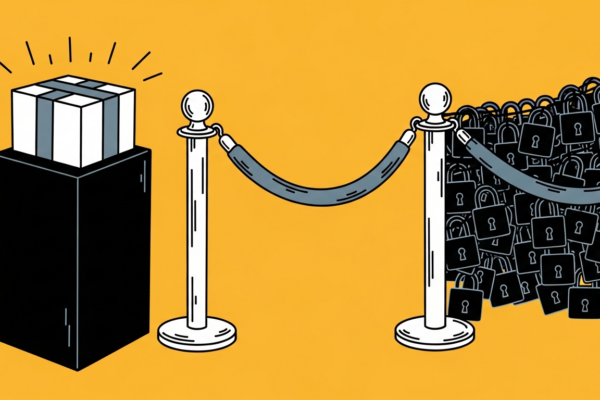
Brands that sell everywhere dilute their positioning. A selective distribution strategy solves this by placing products in a limited number of carefully chosen retail outlets, balancing market reach with brand control.
What Is Selective Distribution?
Selective distribution is a channel strategy where a brand limits the number of intermediaries authorized to sell its products in a given market. Unlike intensive distribution, which floods every possible outlet, selective distribution handpicks retailers based on location, service capability, brand alignment, and customer demographics.
Philip Kotler, professor of marketing at Northwestern University, defines it as “the use of more than one but fewer than all intermediaries willing to carry a company’s products.”
In practice, this means a brand might authorize 30 retailers in a city where 300 would gladly stock the product. The 270 left out are not accidental omissions. They are deliberate exclusions designed to protect brand positioning and ensure every customer touchpoint meets the brand’s standards. This approach sits at the intersection of the marketing mix‘s “Place” element and broader brand strategy.
How Selective Distribution Works
The brand sets qualification criteria for retail partners. These criteria typically include store location, staff training capability, display standards, and minimum order volumes.
Retailers who meet the criteria receive authorization to carry the product.
Those who do not are excluded, regardless of their willingness to stock the product. The brand maintains ongoing oversight through regular audits, mystery shopping, and performance reviews. Retailers that fall below standards risk losing their authorized status, which creates a built-in incentive for compliance.
Selective Distribution Strategy vs Exclusive vs Intensive Distribution
The three primary distribution strategies exist on a spectrum from maximum control to maximum reach. Choosing the wrong one undermines your entire market positioning strategy.
| Factor | Selective Distribution | Exclusive Distribution | Intensive Distribution |
|---|---|---|---|
| Number of Retailers | Limited, qualified set | One per territory | Every available outlet |
| Brand Control | Moderate to high | Very high | Low |
| Market Coverage | Moderate | Limited | Maximum |
| Cost to Manage | Moderate | Low | High |
| Best For | Premium electronics, fashion, appliances | Luxury goods, supercars, haute couture | FMCG, snacks, beverages |
| Price Positioning | Mid-premium to premium | Ultra-premium | Mass-market |
| Channel Conflict Risk | Moderate | Low | High |
| Examples | Samsung, Nike, Bosch | Rolex, Lamborghini, Chanel | Coca-Cola, Lay’s, Colgate |
The key insight is that selective distribution occupies the strategic middle ground. It gives brands enough control to maintain premium perceptions without sacrificing the volume that comes from broader availability.
Advantages of Selective Distribution
Selective distribution delivers benefits that neither intensive nor exclusive strategies can match on their own. The advantages compound over time as retailer relationships deepen and brand perception solidifies.
Brand Image Control
When you choose your retailers, you choose your brand’s context.
A premium electronics brand displayed in a flagship department store communicates a fundamentally different message than the same product sitting on a discount warehouse shelf. Selective distribution ensures every point of sale reinforces the brand’s intended positioning. Brands using selective distribution consistently report higher customer perception scores compared to those using intensive distribution, because every point of sale reinforces the intended brand experience.
This control over context directly strengthens brand equity over time.
Stronger Retailer Partnerships
Fewer retail partners means more attention per partner. Brands can invest in joint marketing programs, dedicated training, and co-branded in-store experiences that would be impossible across thousands of outlets.
Retailers value selective distribution agreements because exclusivity within their area reduces direct price competition.
This mutual investment creates a reinforcing loop. The retailer prioritizes the brand because it receives exclusive treatment. The brand benefits from better shelf placement, trained staff, and higher sell-through rates. Both parties profit from higher margins than intensive distribution typically allows.
Balanced Reach and Exclusivity
Exclusive distribution limits volume. Intensive distribution erodes margins and brand perception.
Selective distribution threads the needle. A brand can achieve substantial market coverage while maintaining most of the brand control that exclusive distribution offers. This makes it the preferred strategy for brands in the growth and maturity stages of the product life cycle, where both volume and brand integrity matter.
Disadvantages of Selective Distribution
No distribution strategy is without trade-offs. Understanding the risks before committing prevents costly course corrections later.
Limited Market Coverage
By definition, selective distribution leaves potential sales on the table.
Customers who live far from authorized retailers may choose a competitor product that is more accessible. In markets where convenience drives purchase decisions, limited availability becomes a genuine liability. This is why selective distribution rarely works for low-involvement, impulse-purchase categories.
Retailer Selection Complexity
Choosing the right partners requires deep market knowledge. Get the criteria wrong, and you either exclude strong performers or include retailers who damage the brand.
The selection process demands significant upfront research.
Brands must evaluate each potential retailer across multiple dimensions: geographic coverage, foot traffic quality, staff expertise, store ambiance, and financial stability. A thorough competitive analysis of each retailer’s product mix is essential. One wrong partnership can undermine years of brand building in a market.
Channel Conflict Potential
Unauthorized retailers who want to carry the product will sometimes source it through gray market channels. This creates price inconsistency and brand confusion that selective distribution was designed to prevent.
Managing channel conflict requires active enforcement.
Brands must monitor online marketplaces, track serial numbers, and take legal action against unauthorized sellers. Bosch, Samsung, and Apple all maintain dedicated teams for this purpose. The European Commission’s guidelines on vertical restraints provide a legal framework for selective distribution agreements in EU markets, clarifying what brands can and cannot restrict.
Selective Distribution Examples: 6 Brands That Get It Right
The following examples demonstrate how different industries apply selective distribution to protect brand value while maintaining meaningful market coverage.
Apple
Apple sells through Apple Stores, apple.com, and a curated network of authorized resellers and carriers. Not every electronics retailer qualifies.
Authorized Apple retailers must meet strict display requirements, staff training standards, and pricing guidelines.
Apple’s “Apple Premium Reseller” program requires dedicated Apple sections within stores, Apple-certified sales staff, and specific square footage minimums. This ensures a customer walking into an authorized retailer in Dubai gets an experience comparable to an Apple Store in New York. The consistency protects Apple’s position as the world’s most valuable brand, valued at $574.5 billion by Brand Finance’s 2025 Global 500 ranking.
Samsung
Samsung uses selective distribution for its premium Galaxy S and Galaxy Z lines while distributing budget models more broadly. This tiered approach matches distribution intensity to product positioning.
Premium Samsung devices are available at Samsung Experience Stores, major carriers, and selected electronics retailers.
By restricting premium distribution, Samsung ensures trained staff can demonstrate features like the Galaxy Z Fold’s multitasking capabilities. Budget devices follow intensive distribution through mass-market retailers, creating a clear hierarchy. This is market segmentation applied to distribution strategy.
Nike
Nike’s “Consumer Direct Acceleration” strategy, launched in 2017, systematically reduced the number of retail partners. Nike pulled products from Amazon in 2019 and cut ties with several mid-tier retailers to focus on a smaller set of strategic partners.
By fiscal 2023, Nike Direct revenues reached $21.3 billion, a 14% year-over-year increase fueled by 24% growth in Nike Brand Digital (Statista).
Nike now operates through Nike.com, Nike stores, and approximately 40 strategic wholesale partners globally, including Foot Locker, JD Sports, and Dick’s Sporting Goods. Each partner receives exclusive colorways and early access to launches. Retailers dropped from Nike’s selective network saw immediate sales declines, proving the brand’s pull power. Nike’s approach demonstrates how selective distribution and brand architecture work together to strengthen market position.
Sony
Sony distributes PlayStation consoles and premium audio equipment through authorized electronics retailers, PlayStation Direct, and major online partners like Amazon and Best Buy.
Not every electronics store carries Sony’s full premium lineup.
Sony selects retailers based on their ability to showcase products in dedicated demo areas. For PlayStation, this means playable units on the shop floor. For audio products, it means sound-isolated listening rooms. This hands-on demonstration capability is the primary selection criterion, because Sony’s premium products sell on experience, not specifications alone.
Chanel
Chanel sits near the exclusive end of selective distribution. The brand sells only through Chanel boutiques and a small number of high-end department stores like Selfridges, Galeries Lafayette, and Nordstrom.
Chanel has never sold on Amazon or any third-party ecommerce marketplace.
This extreme selectivity allows Chanel to control pricing, presentation, and customer experience at every touchpoint. Staff at authorized points of sale receive training directly from Chanel. The approach limits volume but sustains the scarcity perception that justifies $5,000+ handbag prices. Chanel’s distribution strategy is inseparable from its brand positioning.
Bosch
Bosch distributes professional power tools through authorized dealer networks, not through general hardware stores. Only retailers with trained technical staff and service capabilities qualify.
This matters because professional tradespeople expect expert advice and after-sales service.
Bosch’s selective distribution ensures that a contractor buying a $600 rotary hammer can get technical guidance at the point of sale and warranty service after purchase. The authorized dealer network also provides Bosch with valuable feedback on product performance in the field, creating a data loop that informs product development. Consumer-grade Bosch products follow a different, more intensive distribution path.
How to Implement a Selective Distribution Strategy
Moving from theory to execution requires a structured approach. Most brands that fail at selective distribution skip the criteria-setting phase and select partners based on relationships rather than performance potential.
Define Retailer Selection Criteria
Start with non-negotiable requirements. These typically include minimum store standards, geographic coverage needs, staff training willingness, and financial stability.
Weight each criterion based on your brand priorities.
A luxury fashion brand might weight store ambiance at 40% and staff expertise at 30%. A professional tools brand might weight after-sales service capability at 50% and geographic coverage at 25%. The weighting should reflect what matters most to your target customers, not internal preferences. Understanding your brand positioning is the foundation for defining these criteria.
Set Performance Standards
Authorized retailers need clear, measurable benchmarks. Define expectations for sell-through rates, display compliance, staff training completion, and customer satisfaction scores.
Ambiguity kills accountability.
Write performance standards into the distribution agreement. Include specific metrics, review frequency, and consequences for underperformance. The best selective distribution programs include tiered status levels. Top performers receive additional product lines, marketing support, and exclusive access. Underperformers receive improvement plans with defined timelines.
Monitor and Evaluate Partners
Quarterly business reviews with each authorized retailer keep the relationship productive. Mystery shopping audits verify compliance with display and service standards between formal reviews.
Data drives these conversations.
Track sell-through rates, return rates, customer complaint volumes, and display audit scores for every partner. Compare performance across the authorized network to identify best practices worth sharing and underperformers who need intervention. Brands with strong competitive analysis capabilities extend this monitoring to track how competitors’ distribution decisions affect their own network’s performance.
Adapt for Ecommerce
Digital channels complicate selective distribution. Authorized online retailers need the same scrutiny as physical stores.
Set minimum advertised price (MAP) policies for online partners.
Restrict marketplace selling to your own brand store or a handful of authorized third-party sellers. Monitor platforms like Amazon, eBay, and regional marketplaces for unauthorized sellers. Apple, Nike, and Rolex all use dedicated teams and technology to identify and remove unauthorized online listings. The goal is consistent pricing and presentation across both physical and digital channels. Companies pursuing vertical integration of their distribution often find that owning the online channel directly is more effective than policing third-party sellers.
Legal Considerations for Selective Distribution
Selective distribution is legal in most jurisdictions, but it must meet specific requirements to avoid antitrust challenges. The legal landscape varies significantly between the EU, US, and Asian markets.
EU Competition Law
The European Commission explicitly permits selective distribution under the Vertical Block Exemption Regulation (VBER), provided the supplier’s market share does not exceed 30%. Qualitative criteria, such as requiring trained staff or appropriate store environments, are generally lawful without market share limits.
Quantitative restrictions face more scrutiny.
If a brand limits distribution to a specific number of retailers per territory (quantitative selective distribution), it must demonstrate that the restriction is proportionate and justified. The 2022 revision to the VBER clarified rules around online sales restrictions, confirming that brands cannot entirely prohibit authorized retailers from selling online but may restrict sales on specific marketplaces. Brands operating in the EU should consult competition counsel before implementing new selective distribution agreements.
Authorized Retailer Agreements
Every selective distribution relationship needs a written agreement that specifies authorized products, territories, quality standards, pricing policies, and termination conditions.
Verbal agreements invite disputes.
The agreement should address online sales rights explicitly. Specify whether the retailer can sell on marketplaces, use the brand’s trademarks in paid search advertising, and ship to customers outside their assigned territory. Clear terms prevent the channel conflict that destroys selective distribution programs from the inside.
Measuring Selective Distribution Performance
Distribution strategy is not a set-and-forget decision. Ongoing measurement determines whether selective distribution is actually delivering the expected benefits.
Track five core metrics quarterly.
Sell-through rate measures what percentage of inventory shipped to retailers actually sells to end customers. Average transaction value reveals whether retailers are maintaining price positioning. Brand perception scores from customer surveys indicate whether the distribution strategy supports or undermines brand image. Channel conflict incidents, including unauthorized seller appearances and MAP violations, signal enforcement gaps. Retailer satisfaction scores predict partner retention and engagement levels.
Brands that measure these metrics consistently outperform those that rely on gut feeling.
FAQ
What is selective distribution in marketing?
Selective distribution is a channel strategy where a brand authorizes a limited number of retailers to sell its products based on specific qualification criteria. It balances broader market reach with brand control, making it suitable for premium electronics, fashion, and specialty goods. The brand actively chooses and monitors its retail partners rather than selling through every available outlet.
What is the difference between selective and exclusive distribution?
Exclusive distribution limits sales to one retailer per geographic territory, while selective distribution allows multiple authorized retailers in the same area. Exclusive distribution offers maximum brand control but minimal reach. Selective distribution sacrifices some control for significantly greater market coverage. Luxury brands like Rolex use exclusive distribution, while premium brands like Samsung and Nike use selective distribution.
What products are best suited for selective distribution?
Products that require demonstration, technical knowledge, or a specific retail environment benefit most from selective distribution. This includes premium electronics (Samsung, Sony, Bose), fashion and sportswear (Nike, Adidas), professional tools (Bosch, DeWalt), and premium appliances. The common thread is that the purchase decision benefits from knowledgeable staff and an appropriate retail setting. Low-involvement products like beverages or snacks are better served by intensive distribution.
Can selective distribution work for ecommerce?
Yes, but it requires active management. Brands implement selective distribution online by authorizing specific retailers to sell on their websites, restricting marketplace selling to approved accounts, and enforcing minimum advertised price policies. Apple, Nike, and Chanel all practice online selective distribution. The challenge is monitoring and enforcing restrictions across global ecommerce platforms, which requires dedicated tools and resources.
How many retailers should a selective distribution strategy include?
There is no universal number. The right count depends on market size, product category, and brand positioning goals. A practical benchmark is to authorize enough retailers to reach 60-70% of your target customers while maintaining the ability to monitor and support each partner effectively. Most brands find that starting with fewer partners and expanding gradually produces better results than authorizing broadly and cutting back later.