

Adidas Slogans: The Cost of Constant Reinvention
Adidas quietly retired “Impossible is Nothing” in 2011 after seven years of global dominance, replacing it with the forgettable “All In.” Why would any brand abandon a slogan that had become synonymous with athletic ambition? The answer reveals how even the strongest brand positioning can become a victim of its own success, forcing companies to choose between heritage and relevance.
The German sportswear giant has cycled through more than fifteen major slogans since Adi Dassler founded the company in 1949. Each reflects different eras of athletic culture and competitive pressure. From the athlete-focused “The Brand with the Three Stripes” to today’s revived “Impossible is Nothing,” Adidas slogans tell the story of a brand constantly repositioning itself against Nike’s cultural stranglehold.
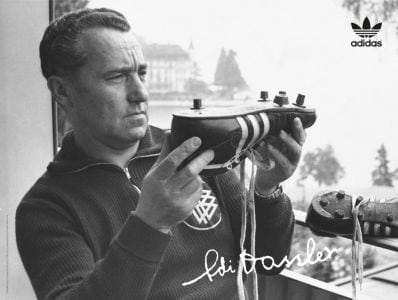
What makes Adidas particularly fascinating is how their slogans have swung between pure performance messaging and broader lifestyle positioning. Unlike Nike’s consistent “Just Do It” philosophy, Adidas has experimented with everything from German engineering pride to street culture credibility. The results offer crucial lessons about when to pivot your tagline and when to double down on what works.
Complete List of Adidas Slogans by Era
| Slogan/Tagline | Years Active | Campaign Focus | Key Athletes/Campaigns |
|---|---|---|---|
| “The Brand with the Three Stripes” | 1971-1982 | Product differentiation | Olympic sponsorships |
| “We Knew Then” | 1982-1987 | Heritage and innovation | Run-DMC collaboration |
| “Equipment” | 1991-1995 | Technical performance | Equipment sub-brand launch |
| “We Knew Then, We Know Now” | 1994-1998 | Legacy and modernity | World Cup campaigns |
| “Forever Sport” | 1998-2004 | Athletic dedication | Kobe Bryant, David Beckham |
| “Impossible is Nothing” | 2004-2011 | Inspirational achievement | Muhammad Ali heritage campaign |
| “All In” | 2011-2013 | Total commitment | Derrick Rose, Lionel Messi |
| “Create the New” | 2014-2015 | Innovation and originality | World Cup Brazil |
| “Here to Create” | 2016-2017 | Creative sports culture | Kanye West Yeezy partnership |
| “Creating the New” | 2017-2018 | Innovation leadership | Boost technology campaigns |
| “Change is a Team Sport” | 2020-2021 | Social activism | BLM and diversity initiatives |
| “Impossible is Nothing” (revived) | 2021-present | Optimism and possibility | Pharrell Williams, Jude Bellingham |
The pattern reveals Adidas’s fundamental challenge: creating a consistent brand voice while adapting to rapidly changing sports and culture. Their most successful campaigns have lasted 5-7 years, suggesting the sweet spot between brand consistency and market relevance.
The Muhammad Ali Legacy: How “Impossible is Nothing” Became Iconic
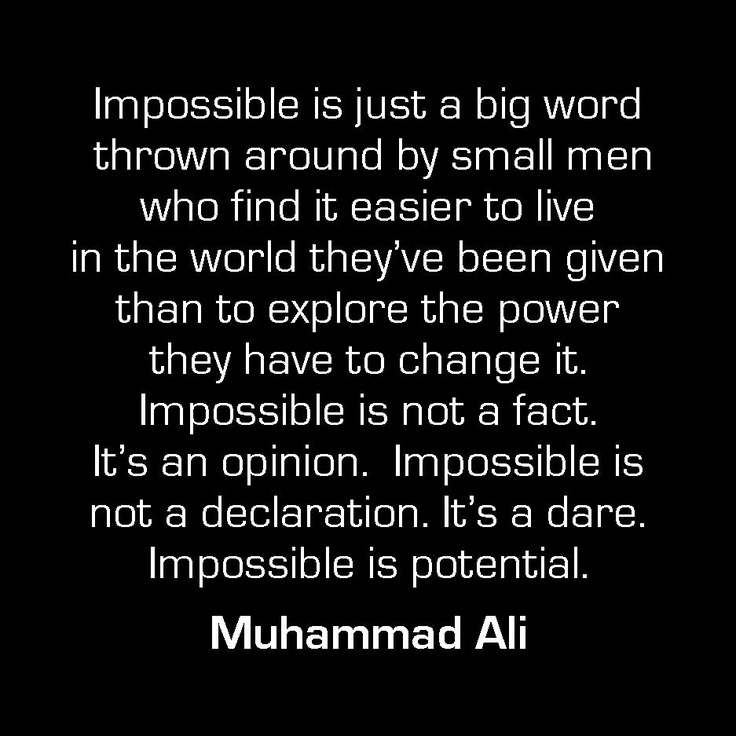
In 1974, Muhammad Ali delivered a Louisville speech that would eventually reshape sports marketing forever. “Impossible is nothing,” he declared, capturing the relentless optimism that defined his career. Thirty years later, Adidas transformed those three words into their most memorable campaign, proving that the best slogans don’t come from conference rooms.
The 2004 launch campaign featured digitally recreated encounters between Ali and contemporary athletes including his daughter Laila Ali, soccer star Zinedine Zidane, and sprinter Maurice Green. TBWA\Chiat\Day’s editing technology allowed a 1974 Ali to spar with Laila at her competitive peak, creating an emotional bridge between athletic generations that competitors couldn’t replicate.
The $80 Million Strategic Gamble
Adidas CEO Herbert Hainer reportedly invested over $80 million in the global launch, making it the company’s largest marketing commitment to date. The investment paid off because the campaign solved Adidas’s core brand problem: how to compete with Nike’s cultural dominance without copying their approach.
Where Nike’s “Just Do It” emphasized individual determination, “Impossible is Nothing” suggested collective human potential. The subtle difference positioned Adidas as the more inclusive brand, appealing to recreational athletes who found Nike’s messaging too aggressive. Internal research from Adidas-Salomon AG showed the campaign increased brand awareness by 27% in key markets within eighteen months.
The slogan’s grammatical construction also worked in Adidas’s favor. Unlike Nike’s imperative command, “Impossible is Nothing” functions as a statement of fact. It suggests that limitations exist only in our minds, a more philosophical approach that resonated particularly well in international markets where American sports culture had less influence.
Why the Ali Connection Worked
Using Ali’s words wasn’t just about borrowing credibility. Erich Stamminger, then Executive Board member of Adidas-Salomon AG, positioned the campaign as “forever sport” philosophy that went beyond individual athletics. The strategy worked because Ali represented athletic greatness that existed outside traditional endorsement relationships.
The campaign’s second wave featured Ali’s 1974 morning run recreated with seven contemporary champions. The technical execution required months of motion capture and digital compositing, but the emotional impact justified the complexity. Viewers weren’t watching an advertisement. They were witnessing athletic mythology in real time.
Evolution of Brand Voice: From German Engineering to Global Culture
Adidas began as Gebrüder Dassler Schuhfabrik in 1924, and early messaging reflected German manufacturing precision. “The Brand with the Three Stripes” emphasized product recognition over emotional connection, a strategy that worked when athletic footwear markets were less crowded and more functional.
The 1980s brought fundamental changes. Nike’s emergence forced Adidas to reconsider whether technical superiority alone could maintain market leadership. Their “We Knew Then” campaign attempted to blend heritage credibility with contemporary relevance, but the message felt defensive rather than confident.
The Crisis Years: 1990-2000
During the 1990s, Adidas struggled with brand identity as streetwear culture exploded globally. The “Equipment” sub-brand represented an attempt to reclaim technical leadership, while broader campaigns like “We Knew Then, We Know Now” tried to balance performance credibility with cultural relevance.
The problem wasn’t execution but strategic clarity. Robert Louis-Dreyfus, who became CEO in 1993, later admitted that Adidas had “lost focus on what made us distinctive.” The company was competing with Nike on cultural grounds while trying to maintain German engineering heritage, satisfying neither audience completely.
“Forever Sport” marked a strategic shift toward pure athletic positioning. The 1998 campaign emphasized dedication over lifestyle, appealing to serious athletes who viewed Nike as increasingly commercial. This positioning helped Adidas regain credibility in performance categories but limited their appeal in growing lifestyle segments.
The Modern Era: Balancing Performance and Culture
Post-2011 campaigns reflect Adidas’s recognition that modern consumers expect brands to stand for something beyond product benefits. “All In” attempted to capture total commitment philosophy, while “Here to Create” positioned the brand within broader creative culture movements.
The 2021 decision to revive “Impossible is Nothing” represents strategic confidence rather than nostalgia. Current Global Brand President Eric Liedtke explained the revival as “returning to optimism” after years of increasingly complex messaging. Early performance data suggests the strategy is working: Adidas reported 16% revenue growth in Q3 2021, with particularly strong performance in North American markets where the original campaign had greatest impact.
Marketing Lessons: When Heritage Becomes Strategy
Adidas’s slogan evolution offers four crucial insights about long-term brand building that extend far beyond sports marketing. These lessons become particularly relevant as brands face increasing pressure to adapt messaging for diverse global audiences while maintaining core identity.
Timing Strategic Pivots
The seven-year lifecycle of “Impossible is Nothing” wasn’t accidental. Consumer research indicated that slogan recognition peaked around year five, then gradually declined as competitors launched response campaigns. Nike’s “Greatness” campaign during the 2012 Olympics directly challenged Adidas’s inspirational positioning, contributing to the decision to pivot toward “All In.”
Smart brands recognize when their messaging has achieved maximum cultural penetration and proactively evolve before competitors can effectively respond. Adidas’s mistake with “All In” wasn’t the timing of the change but the lack of distinctive positioning in the replacement.
Cultural Translation vs. Adaptation
Adidas discovered that successful global campaigns require cultural translation rather than simple adaptation. “Impossible is Nothing” worked internationally because the core message went beyond specific cultural contexts, while tactical executions could be customized for local markets.
The campaign’s Japanese execution featured local baseball legends, while European versions emphasized football culture. This approach generated higher brand equity than one-size-fits-all campaigns because it acknowledged cultural differences without compromising message consistency.
Heritage as Competitive Advantage
Reviving “Impossible is Nothing” after a decade demonstrates how brand heritage can become a sustainable competitive advantage. Newer competitors can’t replicate the emotional associations that accumulate over time, making historical campaigns valuable intellectual property.
The revival strategy works because it combines familiar emotional cues with contemporary cultural relevance. Current campaigns feature artists like Pharrell Williams and athletes like Jude Bellingham, maintaining the inspirational core while updating cultural context.
Competitor Comparison: Learning from Nike’s Consistency
Nike’s “Just Do It” has remained essentially unchanged since 1988, creating a stark contrast with Adidas’s frequent pivoting. This difference reveals two fundamentally different approaches to brand building: consistency versus adaptation.
Nike’s strategy benefits from American cultural dominance in global sports marketing. “Just Do It” translates effectively across cultures because it reflects universally understood concepts of individual achievement. Adidas, representing European sports culture, faces greater challenges in global markets where American athletic values often seem more familiar.
However, Adidas’s willingness to evolve has created opportunities that rigid consistency might have missed. Their early embrace of street culture and music partnerships opened market segments that Nike later struggled to enter authentically. The Run-DMC collaboration in 1986 established Adidas in hip-hop culture years before Nike recognized the connection.
Under Armour’s Challenge
Under Armour’s rise with “I Will” positioning forced both Nike and Adidas to reconsider their approaches. UA’s emphasis on individual determination occupied middle ground between Nike’s lifestyle focus and Adidas’s team-oriented messaging, demonstrating how new entrants can find positioning gaps even in mature markets.
Adidas’s response through campaigns like “Create the New” attempted to reclaim innovation leadership, but the messaging felt reactive rather than proactive. The lesson: established brands must define new competitive spaces rather than simply responding to challenger positioning.
FAQ
What is Adidas’s current slogan?
Adidas revived “Impossible is Nothing” in 2021 after a decade-long hiatus. The slogan originally ran from 2004-2011 and was brought back as part of a broader strategy emphasizing optimism and possibility in post-pandemic sports culture.
Why did Adidas retire “Impossible is Nothing” in 2011?
Industry analysts attributed the change to competitive pressure from Nike’s cultural dominance and the need to differentiate from increasingly similar inspirational messaging across the sports category. The company wanted to move toward more action-oriented positioning with “All In.”
How does “Impossible is Nothing” compare to Nike’s “Just Do It”?
While Nike’s slogan emphasizes individual action and determination, Adidas’s “Impossible is Nothing” suggests collective human potential and philosophical possibility. The grammatical difference reflects broader brand positioning: Nike focuses on personal achievement while Adidas emphasizes shared athletic culture.
What was Adidas’s most successful slogan campaign?
“Impossible is Nothing” generated the highest measured brand awareness increases in company history, boosting recognition by 27% globally within 18 months. The campaign’s success came from its emotional connection to Muhammad Ali’s legacy and sophisticated digital advertising execution.
How often does Adidas change its main slogan?
Adidas typically maintains primary slogans for 3-7 years, significantly more frequently than competitors like Nike. This pattern reflects the company’s strategy of adapting messaging to changing cultural contexts rather than building long-term consistency around a single phrase. The approach has both benefits and drawbacks for brand differentiation.
More Slogans

“Student Council Slogans: What Campaign Phrases Actually Win Votes”

“BBQ Slogans: How Dickey’s Three Words Sparked a Marketing War”

“Environmental Slogans: BP’s $200M Greenwashing Blueprint”

“Political Slogans: Why Most Fail But Reagan’s Still Wins”

“Clarks Slogans: From Desert Boot to Originals Crisis”

“Starbucks Slogans: No Signature Line, $35 Billion Success”