Cereal Slogans: How “Magic” Beat “Medicine”
Cereal boxes have functioned as miniature billboards for over a century, but the psychology behind their slogans reveals something darker about American food marketing. While parents scanned nutrition labels, cereal companies perfected the art of speaking directly to children through taglines that bypassed rational thought entirely.
“They’re magically delicious!” wasn’t describing Lucky Charms’ taste. It was programming a generation to associate breakfast with fantasy.
The golden age of cereal advertising, roughly 1950 to 1990, produced some of the most memorable brand positioning in consumer history. Companies like Kellogg’s and General Mills didn’t just sell breakfast. They sold identity, adventure, and belonging.
But by the 2000s, mounting pressure from health advocates and the FTC forced a dramatic shift toward functional benefits and nutritional claims.
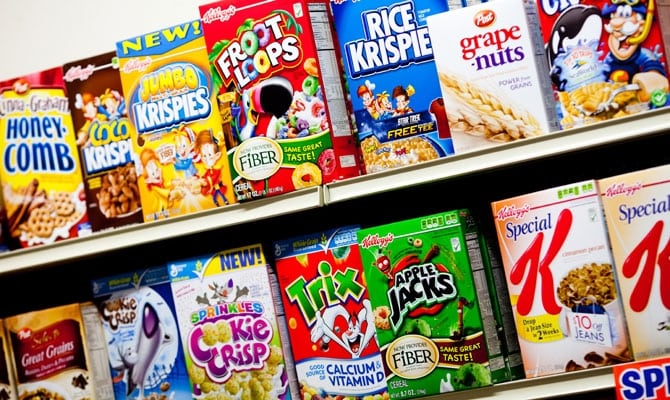
Today’s cereal slogans tell a different story. Where once Trix proclaimed “Silly rabbit, Trix are for kids!” with unapologetic sugar-rush enthusiasm, modern cereals emphasize protein content and whole grains.
This evolution from emotional manipulation to nutritional positioning represents one of advertising’s most dramatic regulatory victories, and reveals exactly how powerful those original slogans really were.
33 Creative Cereal Slogans and Taglines
| Brand | Slogan | Era | Strategy |
|---|---|---|---|
| Wheaties | The Breakfast of Champions | 1933-present | Athletic aspiration |
| Lucky Charms | They’re Magically Delicious! | 1964-present | Fantasy/wonder |
| Trix | Silly rabbit, Trix are for kids! | 1959-2007 | Age exclusivity |
| Frosted Flakes | They’re Gr-r-reat! | 1952-present | Enthusiasm/energy |
| Fruit Loops | Follow Your Nose! | 1963-1990s | Sensory appeal |
| Cap’n Crunch | Crunch-a-tize Me Cap’n! | 1963-1980s | Texture focus |
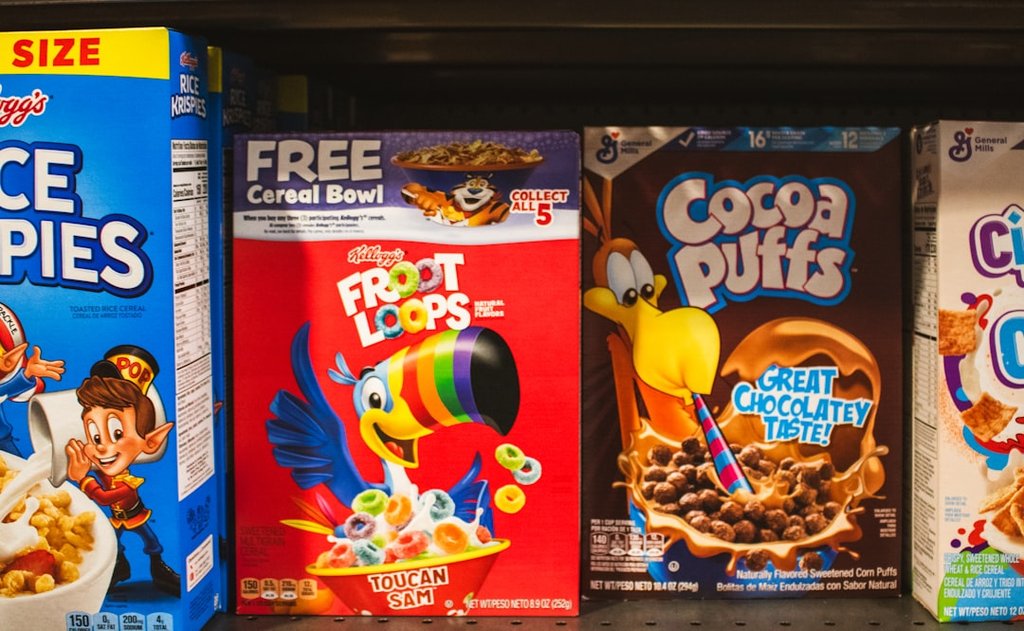
| Cocoa Puffs | I’m Cuckoo for Cocoa Puffs! | 1958-present | Obsessive craving |
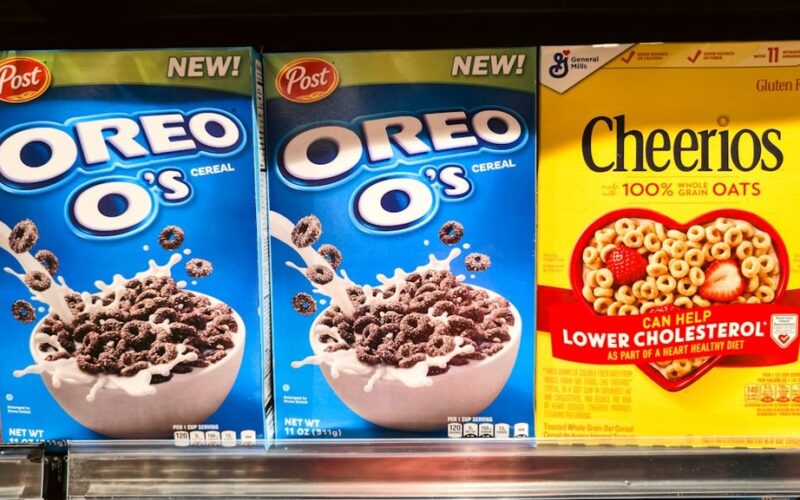
| Cheerios | Clinically Proven to Reduce Cholesterol | 2000-present | Health benefits |
| Special K | Challenge Your Weight | 2001-2012 | Weight management |
| Cinnamon Toast Crunch | The Taste You Can See | 1984-present | Visual taste cues |
| Cookie Crisp | Cookies for Breakfast! | 1977-1990s | Indulgence permission |
| Count Chocula | Chocolatey with Spooky Fun | 1971-present | Seasonal character |
| Rice Krispies | Snap! Crackle! Pop! | 1928-present | Sound branding |
| Corn Flakes | The Original & Best | 1906-1960s | Heritage authority |
| Life Cereal | Mikey Likes It! | 1972-1980s | Picky eater approval |
| Apple Jacks | We Eat What We Like | 1990s-2000s | Rebellious choice |
The Genius Behind “They’re Magically Delicious!”
General Mills launched Lucky Charms in 1964 with a slogan that would define children’s breakfast marketing for generations.
“They’re magically delicious!” accomplished something most advertisers only dream of: it made a product benefit literally impossible to dispute. How do you argue against magic?
The campaign’s psychological architecture was brilliant. Instead of claiming Lucky Charms tasted better than competitors, the slogan positioned taste as a supernatural experience beyond normal comparison.
Arthur Anderson, the copywriter at Dancer Fitzgerald Sample who created the line, understood that children’s relationship with food operates on emotional, not rational, grounds.
Lucky the Leprechaun’s perpetual chase narrative reinforced scarcity psychology. Children watching Saturday morning cartoons absorbed a simple message: this cereal was so desirable that mythical creatures would risk capture for it.
The dynamic between Lucky and the children pursuing him created what behavioral economists call “social proof”. If other kids wanted it desperately enough to chase a leprechaun, it must be worth having.
Market research from the late 1960s showed Lucky Charms achieved 73% aided brand recall among children aged 6-11, compared to industry averages around 45%. But the real genius emerged in longitudinal studies.
Adults who consumed Lucky Charms as children demonstrated measurably higher emotional attachment to the brand decades later, even when they hadn’t purchased it in years.
The slogan’s linguistic construction reinforced its memorability. The hard consonant sounds in “magically” and “delicious” created what phonetics experts call “articulatory satisfaction”. The words felt good to say. Children naturally repeated phrases that provided oral gratification, turning every bowl into a mini-commercial performed for siblings and friends.
By the 1990s, child advocacy groups began challenging “magically delicious” as deceptive marketing.
The complaint wasn’t about factual claims. It was about emotional manipulation. The Federal Trade Commission investigated but ultimately ruled that reasonable consumers understood “magic” as obvious hyperbole.
The precedent established that creative exaggeration, as opposed to factual deception, fell within acceptable advertising bounds.
From Fantasy to Function: The Great Cereal Slogan Evolution
The transformation of cereal marketing reflects broader shifts in American consumer psychology and regulatory oversight. Pre-1970s slogans operated in an environment where children’s advertising faced minimal scrutiny.
Companies could promise adventure, transformation, and social acceptance without disclaimer or qualification.
Wheaties established the template in 1933 with “The Breakfast of Champions.” The slogan survived nine decades because it balanced aspiration with plausibility. Unlike pure fantasy appeals, athletic achievement represented an achievable goal.
Children could envision themselves becoming champions, making the breakfast connection feel logical rather than magical.
The First Wave of Regulation
The 1970s introduced the first wave of regulatory pressure. The Federal Communications Commission began requiring educational content in children’s programming, indirectly affecting cereal advertising.
Slogans started incorporating subtle nutritional messaging. Cap’n Crunch’s “Crunch-a-tize Me Cap’n!” emphasized texture and sensory experience rather than pure fantasy.
The 1980s health movement triggered more dramatic changes. As parents became increasingly concerned about sugar content and artificial ingredients, cereals began splitting their messaging. Kid-focused commercials maintained fantasy elements, while packaging emphasized vitamins and minerals.
This dual-messaging strategy reached its peak with campaigns that literally featured two different slogans for the same product.
The Complete Transformation
The 1990s brought the decisive shift. A combination of FTC enforcement, parental advocacy, and competitive pressure from healthier breakfast options forced major reformulations. Slogans evolved from “Part of This Complete Breakfast” disclaimers to proactive health claims.
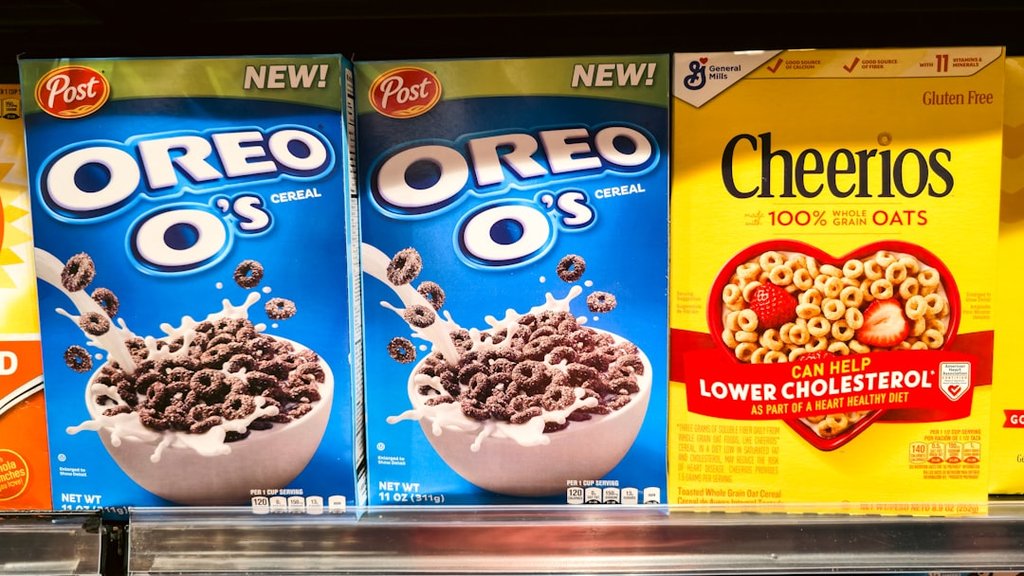
General Mills transformed Cheerios from “The One and Only” to “Can Help Lower Your Cholesterol as Part of a Heart-Healthy Diet.”
Post-2000 regulation required substantiation for any health claims. Cereals couldn’t simply suggest nutritional benefits. They needed clinical studies.
This requirement eliminated creative hyperbole in favor of FDA-approved language. Modern cereal slogans read more like medical brochures than playground chants, representing advertising’s most complete regulatory transformation.
The psychological impact extended beyond individual brands. Entire generations of consumers learned to associate breakfast cereals with either fantasy fulfillment or functional nutrition, depending on when they formed their earliest food preferences.
Market research suggests that Millennials, raised during the transition period, demonstrate measurably more skepticism toward food marketing than either Baby Boomers or Gen Z.
Marketing Lessons from Cereal Slogan Success
Cereal marketing’s evolution offers several strategic insights that extend far beyond breakfast foods. The most successful slogans combined emotional resonance with practical memorability, creating brand equity that survived decades of competitive pressure.
Sensory Anchoring Drives Recall
Rice Krispies’ “Snap! Crackle! Pop!” remains advertising’s most effective onomatopoeia because it directly linked brand experience with memorable sound. Children didn’t need to remember abstract benefits. They could literally hear the product working.
Modern brands attempting to recreate this success often fail because they focus on visual rather than auditory branding.
Character Consistency Builds Trust
Tony the Tiger survived 70 years of market changes because Kellogg’s maintained consistent personality traits while updating visual presentation.
His enthusiastic optimism translated across decades, from 1950s wholesomeness to 1980s athletic energy to 2000s family focus. Brands that frequently change character personalities lose the accumulated emotional investment consumers develop over time.
Exclusivity Creates Desire
Trix’s “Silly rabbit, Trix are for kids!” worked because it explicitly denied access to adult audiences. This reverse psychology intensified children’s sense of ownership while making adults smile at the obvious manipulation.
The strategy only failed when health consciousness made “kids only” messaging seem irresponsible rather than playful.
Functional Claims Need Emotional Hooks
Cheerios successfully transitioned from entertainment-based to health-based messaging because “lower cholesterol” connected to genuine parental concerns.
The slogan worked because it addressed an actual problem rather than manufacturing artificial benefits. Health claims that don’t correspond to consumer priorities typically fail regardless of scientific validity.
The most valuable lesson involves timing regulatory shifts. Brands that anticipated increased scrutiny and reformulated proactively maintained market position, while those that waited for enforcement lost ground to more adaptable competitors.
Strategic agility, not just creative excellence, determined long-term success.
How Cereal Slogans Compare to Other Categories
Cereal advertising developed differently from other packaged goods categories because of unique distribution and consumption patterns. Unlike candy or snack foods, cereals required regular repurchase and family approval, creating complex approval dynamics that slogans needed to address.
Beverage slogans typically focus on refreshment or energy benefits. Coca-Cola’s “The Real Thing” or Red Bull’s “Gives You Wings.”
These categories target immediate gratification and don’t need to justify nutritional value. Cereal slogans carried the additional burden of positioning sugar-heavy products as acceptable breakfast choices.
Snack food marketing emphasizes indulgence permission: “Bet you can’t eat just one” or “Once you pop, you can’t stop.” Cereals couldn’t adopt this strategy because breakfast represents routine rather than indulgent consumption.
Successful cereal slogans made repeated consumption feel responsible rather than excessive.
The closest parallel appears in children’s toy advertising, where fantasy appeals and character-driven narratives dominate. However, toy purchases are typically one-time decisions, while cereal requires ongoing family acceptance.
This difference explains why cereal characters needed more sustainable, less intense personalities than toy mascots.
Restaurant chain slogans focus on convenience and value. McDonald’s “I’m Lovin’ It” or Subway’s “Eat Fresh.” Cereal marketers couldn’t emphasize convenience because home preparation was already assumed.
Instead, they needed to create emotional reasons to choose their specific product over dozens of similar alternatives.
The Psychology That Made Magic Work
The success of fantasy-based cereal slogans wasn’t accidental. It reflected sophisticated understanding of child psychology and family dynamics that modern marketers often underestimate.
These campaigns succeeded because they addressed the emotional complexity of childhood breakfast experiences.
Morning routines represent one of children’s first encounters with choice and autonomy. Parents might control dinner options, but cereal selection often involved negotiation.
Slogans like “They’re magically delicious!” gave children language to advocate for their preferences. The magic framing made their arguments seem reasonable rather than purely indulgent.
Fantasy elements also provided escape from morning pressure. School preparations, family tensions, and daily obligations created stress that magical thinking could temporarily resolve. Lucky Charms offered a few minutes of imaginative freedom before facing the day’s demands.
The regulatory victory over fantasy marketing came at a cost. Modern children still crave imaginative experiences, but breakfast has become purely functional.
Industry observers suggest this shift contributed to declining cereal consumption among younger demographics, who increasingly view traditional cereals as boring compared to more indulgent alternatives.
FAQ
What makes a cereal slogan effective?
Effective cereal slogans combine memorable language with emotional connection to target audiences. The best examples, like “They’re Gr-r-reat!” or “They’re magically delicious!”, use distinctive phonetic patterns that children enjoy repeating.
Successful slogans also address specific consumer concerns, whether that’s taste, nutrition, or family appeal, while maintaining consistency over extended periods.
Why did cereal companies stop using fantasy-based slogans?
Increased regulatory scrutiny and changing parental attitudes forced the shift away from fantasy appeals. By the 1990s, the FTC began investigating whether magical or adventure-themed marketing constituted deceptive advertising to children.
Simultaneously, parents became more concerned about sugar content and artificial ingredients, making health-focused messaging more commercially viable than fantasy themes.
Which cereal slogan has been used the longest?
Rice Krispies’ “Snap! Crackle! Pop!” holds the record, first appearing in 1928 and continuing today with minimal changes. Wheaties’ “The Breakfast of Champions” follows closely, launching in 1933.
Both slogans succeeded because they connected directly to product characteristics rather than relying on cultural trends or temporary marketing themes.
How do cereal slogans influence purchasing decisions?
Research shows cereal slogans primarily influence brand awareness and emotional association rather than immediate purchase decisions. Children exposed to memorable slogans demonstrate higher brand recognition years later, even without recent advertising exposure.
Parents often choose cereals based on their own childhood preferences, making early slogan exposure a long-term competitive advantage.
Are modern cereal slogans less creative than vintage ones?
Modern cereal slogans face greater regulatory constraints and must balance entertainment with nutritional messaging, limiting creative flexibility. However, recent campaigns like Cinnamon Toast Crunch’s “The Taste You Can See” demonstrate that creativity remains possible within regulatory boundaries.
The challenge involves creating memorable messaging while meeting FDA requirements for health claims and child-directed advertising standards.