Snickers was losing market share in one of the most competitive categories in consumer packaged goods. Then a single consumer insight, that hunger changes your personality, became the foundation of a Snickers marketing strategy that generated a 15.9% global sales increase and won 47 Cannes Lions across 14 categories.
The Problem Snickers Faced Before 2010
Before the “You’re Not You When You’re Hungry” campaign, Snickers was in trouble. The brand was losing share in the global confectionery market, and its advertising was forgettable.
Declining Market Share in a Crowded Category
Snickers, owned by Mars, Incorporated, competes in a confectionery category with dozens of established brands including Kit Kat (Nestle), Reese’s (Hershey), Twix (Mars), and M&M’s (Mars). By the late 2000s, Snickers had lost its positioning clarity. Consumers saw it as just another chocolate bar.
Between 2006 and 2009, the brand lost nearly 10% of its global market share, and no amount of product-focused advertising was reversing the trend.
Why Product-Focused Advertising Was Not Working
Snickers had spent years advertising product attributes: peanuts, caramel, nougat, chocolate. The problem was that product-focused advertising in confectionery has diminishing returns. Every competitor also advertises taste, ingredients, and satisfaction.
The brand needed a different kind of differentiation, one rooted in consumer behavior rather than product composition.
The Consumer Insight That Changed Everything
Agency BBDO Worldwide, Snickers’ creative partner, discovered the insight that transformed the brand through qualitative research with consumers across multiple markets.
The Behavioral Science Behind “Hangry”
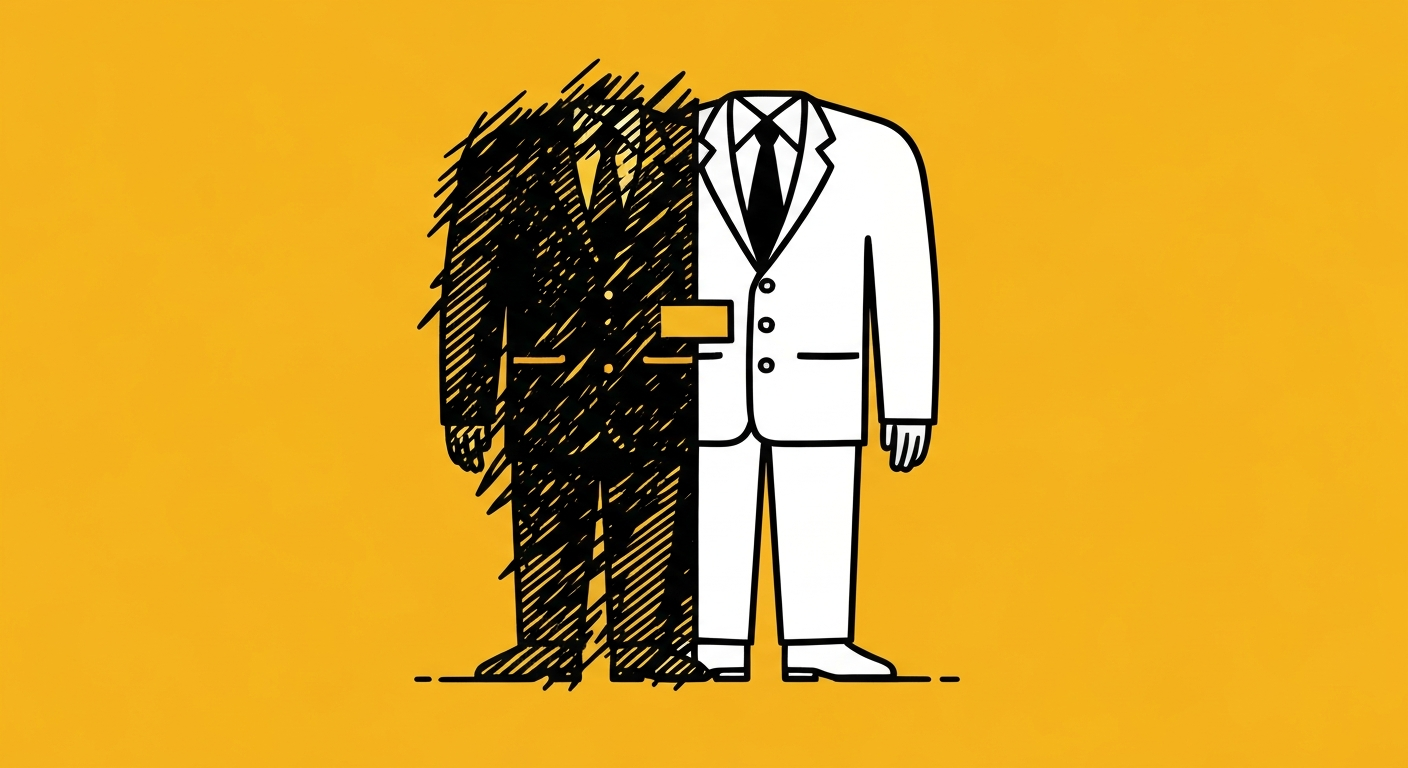
The core insight was simple and universal: when people get hungry, their personality changes. They become irritable, unfocused, and unlike themselves. The scientific basis is well-established: low blood glucose levels affect prefrontal cortex function, reducing impulse control and emotional regulation.
BBDO recognized that this insight was both emotionally resonant (everyone has experienced it) and directly connected to Snickers’ product benefit (a substantial, satisfying snack). The concept predated the popular term “hangry” by several years.
Finding a unique consumer truth that connects to the product benefit is the hardest part of any campaign development process.
How BBDO Turned a Human Truth Into a Campaign Platform
BBDO’s creative execution was elegantly simple. Show someone behaving completely out of character because they are hungry. Have someone offer them a Snickers. Show them return to normal. End with “You’re Not You When You’re Hungry.”
The formula works because it is infinitely adaptable. Any celebrity or character can play the “hungry version” of someone. The joke resets every time.
Campaign Execution: From Super Bowl to Global Rollout
The campaign launched in the most high-profile advertising slot available and then rolled out globally.
The Betty White Super Bowl Ad That Launched It All
The first “You’re Not You When You’re Hungry” television ad aired during Super Bowl XLIV in February 2010. It featured veteran actress Betty White playing football badly, revealed to be a young man who was not himself because he was hungry. After eating a Snickers, he transformed back into his normal self.
The ad topped USA Today’s Super Bowl Ad Meter in 2010 and generated immediate cultural conversation. Betty White’s participation was particularly inspired because her unexpected presence in a football context created a visual joke that landed instantly.
The Super Bowl launch gave the campaign maximum initial velocity.
Celebrity Casting as Creative Strategy
Snickers continued the celebrity formula with appearances by Joe Pesci, Robin Williams, Steve Buscemi, Rowan Atkinson, and dozens of other recognizable personalities across different markets. Each celebrity was cast against type, creating a visual incongruity that makes the ad memorable before the brand message is even delivered.
The casting strategy serves a dual purpose. It generates earned media (celebrity ads get press coverage) and creates rewatchability (audiences enjoy seeing their favorite celebrities in unexpected roles).
Global Strategy, Local Adaptation
Mars rolled out the campaign across 58 markets, adapting the creative concept with local celebrities and cultural references while maintaining the identical strategic framework. In Australia, construction workers turned into divas. In the United Kingdom, Mr. Bean (Rowan Atkinson) appeared as a bumbling kung fu student.
This global-local balance is one of the campaign’s most impressive achievements. The insight is universal, but the execution is culturally specific.
Most global campaigns fail at localization because they either over-standardize (identical creative everywhere) or over-localize (losing the brand platform). Snickers found the middle ground.
Snickers Marketing Mix (4Ps)
| Element | Strategy | Key Detail |
|---|---|---|
| Product | Core bar plus limited editions and size variants | Snickers Ice Cream, Snickers Cruncher, fun-size packs |
| Price | Competitive within premium confectionery tier | Priced 5-10% above average chocolate bars |
| Place | Ubiquitous retail distribution globally | Available in 70+ countries, checkout aisle placement priority |
| Promotion | TV-led with digital amplification | Super Bowl anchor, social media extensions, retail activations |
Product Strategy and Line Extensions
Snickers has expanded its product line to include ice cream bars, protein bars, cookie bars, and seasonal limited editions. Each line extension gives the marketing team a new product to promote within the existing “You’re Not You” framework.
The limited editions create urgency and social media content. Seasonal variants drive impulse purchases during key retail periods.
Pricing and Distribution
Snickers occupies a competitive price point within the premium confectionery segment, positioned above house brands and private labels but accessible to most consumers. Distribution is near-universal in developed markets, with checkout aisle placement as a critical component of the impulse purchase strategy.
Promotional Channels and Media Mix
Television remains Snickers’ primary advertising channel, anchored by the annual Super Bowl investment. Digital and social media extend each campaign’s reach through behind-the-scenes content, social challenges, and user-generated content activations.
The marketing mix reflects a brand that knows its audience encounters the product at physical retail touchpoints. Digital creates awareness and conversation. Television drives mass reach. Retail media closes the sale.
Digital and Retail Media Strategy
Snickers has adapted its campaign for digital platforms while building a growing retail media presence.
Social Media and Cultural Moment Marketing
Snickers’ social media team creates real-time content that extends the “You’re Not You” concept to current cultural moments. When a public figure behaves unusually, Snickers’ social accounts are often first to suggest they “need a Snickers.” This reactive marketing generates organic engagement and reinforces the campaign platform without additional media spend.
The brand’s X (formerly Twitter) account has become a benchmark for real-time brand voice in confectionery marketing.
Retail Media Activations
Snickers has invested in retail media platforms including Amazon Advertising, Walmart Connect, and Instacart Ads. These platforms allow Snickers to target consumers at the point of purchase with sponsored product placements and display advertising.
Retail media is particularly important for impulse purchase categories. A consumer who sees a Snickers ad while browsing an online grocery order is significantly more likely to add it to their cart than one who saw a television ad hours earlier.
Campaign Results and Long-Term Effectiveness
The “You’re Not You When You’re Hungry” campaign is one of the most measured and awarded campaigns in advertising history.
Sales Impact
Over its first two years, the campaign generated a $376 million increase in global Snickers sales. Global sales grew by 15.9% across the campaign’s first five years, reversing the decline that had prompted the strategic shift.
Snickers became the world’s bestselling candy bar, a position it has maintained throughout the campaign’s lifetime.
Market Share Gains Across 56 Markets
The campaign delivered market share growth in the vast majority of the 56 markets where it launched. The consistency of results across diverse markets validates the universality of the hunger insight and the adaptability of the creative framework.
Creative Awards
The campaign has won 47 Cannes Lions across 14 categories and six countries along with awards from The One Show, D&AD, the Effie Awards, and other major industry recognitions. The Effie Awards, which specifically measure advertising effectiveness rather than creativity, are the most significant for marketers evaluating the campaign’s commercial merit.
Winning both creative and effectiveness awards is rare and indicates a campaign that succeeds artistically without sacrificing commercial impact.
Why Trigger-Based Marketing Works: A Framework for Brand Builders
Snickers’ success offers a replicable framework that any brand can apply.
Identifying Your Brand’s Behavioral Trigger
A behavioral trigger is a specific moment or state that creates the need your product addresses. For Snickers, it is hunger. For coffee brands, it might be fatigue. For a headache remedy, it is pain onset.
The trigger must be universal (everyone experiences it), frequent (it happens regularly), and directly connected to the product benefit (the product resolves the trigger state). Snickers’ insight met all three criteria.
Most brands never identify their behavioral trigger because they focus on product attributes instead of consumer states.
Building a Campaign Platform vs One-Off Ads
A campaign platform is a creative framework that can generate unlimited individual executions while maintaining a consistent brand message. “You’re Not You When You’re Hungry” is a platform. A single celebrity ad is a one-off.
Platforms beat one-off campaigns because they compound brand recognition over time. Each new execution reinforces the same brand association while feeling fresh.
Snickers vs Competitors: How Other Confectionery Brands Advertise
Snickers’ competitors have taken fundamentally different approaches to confectionery advertising.
Kit Kat’s “Have a Break” vs Snickers’ “You’re Not You”
Kit Kat’s long-running “Have a Break, Have a Kit Kat” campaign shares a structural similarity with Snickers: both anchor on a behavioral moment (break time vs hunger). The difference is execution energy. Snickers uses celebrity spectacle and humor to generate fame, while Kit Kat uses quiet, everyday moments to build ritualistic association.
Both approaches work, but they serve different strategic objectives. Snickers optimizes for attention. Kit Kat optimizes for habit.
M&M’s Character-Driven Approach
M&M’s, also owned by Mars, uses anthropomorphized candy characters as brand mascots. The character-driven approach builds brand recognition through consistent visual assets rather than a campaign platform tied to a behavioral insight.
M&M’s characters are among the most recognized brand mascots in the world, demonstrating that character-based branding can be as effective as insight-based platforms when executed consistently over decades.
FAQ
What agency created Snickers’ “You’re Not You When You’re Hungry”?
BBDO Worldwide developed the “You’re Not You When You’re Hungry” campaign for Mars, Incorporated. BBDO is one of the world’s largest advertising agency networks and has maintained the Snickers account through the campaign’s entire lifetime.
How much did the Snickers campaign increase sales?
The campaign generated a $376 million increase in global sales over its first two years and a 15.9% sales increase in its first full year. Snickers became the world’s bestselling candy bar during this period.
Why has the Snickers campaign lasted so long?
The campaign endures because its creative platform is infinitely adaptable. Any celebrity, any culture, and any media format can execute the “hungry person behaving out of character” concept. This adaptability prevents creative fatigue while maintaining consistent brand messaging.
What is trigger-based marketing?
Trigger-based marketing anchors a brand’s messaging on a specific behavioral moment or state that creates the need the product addresses. Snickers uses hunger as its trigger. The approach is effective because it connects the product to a real consumer experience rather than abstract brand attributes.
For more on how global brands build lasting marketing platforms, explore our case studies on Coca-Cola’s brand evolution and our guide to market positioning strategy.