
Best Advertising Slogans: 40 Phrases That Built Billion-Dollar Brands
The best advertising slogans don’t just sell products. they embed themselves so deeply in culture that consumers can recite them decades later. “Just Do It” still drives Nike campaigns thirty-five years after its debut. “I’m Lovin’ It” generated $2 billion in McDonald’s revenue within two years of launch. Yet most brands settle for forgettable taglines that sound interchangeable with their competitors.
What separates memorable slogans from marketing noise?
The greatest campaigns capture a brand’s core promise in three to five words that feel inevitable once you hear them. They bypass rational thought and lodge directly in memory through rhythm, repetition, and emotional resonance.
This isn’t accidental. it’s the result of understanding how language works at a neurological level.
The forty slogans analyzed below represent decades of marketing evolution, from Madison Avenue’s golden age through today’s digital-first campaigns. Each demonstrates different approaches to the same challenge: how do you compress an entire brand philosophy into a phrase that sticks?
Some rely on aspiration (Nike’s call to action), others on differentiation (Avis acknowledging second place), and a few on pure memorability (Kit Kat’s “Give me a break” rhythm).
The patterns that emerge reveal exactly why certain phrases become cultural shorthand while others disappear.
40 Best Advertising Slogans That Built Modern Brands
| Brand | Slogan | Years Active | Campaign Impact |
|---|---|---|---|
| Nike | Just Do It | 1988-present | Increased Nike’s share from 18% to 43% in North America |
| Apple | Think Different | 1997-2002 | Helped rescue Apple from near-bankruptcy |
| McDonald’s | I’m Lovin’ It | 2003-present | Generated $2B revenue in first two years |
| Coca-Cola | Open Happiness | 2009-2016 | Unified global campaigns across 200+ markets |
| BMW | The Ultimate Driving Machine | 1975-present | Positioned BMW as performance leader in luxury segment |
| Avis | We Try Harder | 1962-2012 | Turned #2 position into competitive advantage |
| De Beers | A Diamond is Forever | 1947-2018 | Created modern engagement ring tradition |
| L’Oréal | Because You’re Worth It | 1973-present | Positioned beauty products as self-empowerment |
| Mastercard | There are some things money can’t buy | 1997-present | Differentiated from Visa’s transactional messaging |
| Kit Kat | Have a Break, Have a Kit Kat | 1957-present | Associated chocolate with rest and relaxation |
| FedEx | When it Absolutely, Positively Has to Be There Overnight | 1978-1994 | Established overnight delivery as premium service |
| Volkswagen | Think Small | 1959-1977 | Redefined car advertising by embracing product limitations |
| Harley-Davidson | American by Birth. Rebel by Choice | 2012-present | Reinforced brand’s outlaw heritage appeal |
| Adidas | Impossible is Nothing | 2004-2011 | Competed directly with Nike’s motivational messaging |
| Porsche | There is No Substitute | 1964-present | Positioned Porsche as incomparable luxury performance |
| Walmart | Save Money. Live Better | 2007-present | Reframed low prices as lifestyle improvement |
| American Express | Don’t Leave Home Without It | 1975-2005 | Made credit cards feel essential for travel |
| Allstate | You’re in Good Hands | 1950-present | Humanized insurance through trust metaphor |
| State Farm | Like a Good Neighbor | 1971-present | Differentiated from Allstate through community connection |
| Disneyland | The Happiest Place on Earth | 1955-present | Set emotional expectation for theme park experience |
| Las Vegas | What Happens Here, Stays Here | 2003-present | Increased tourism 15% within three years of launch |
| California Milk | Got Milk? | 1993-2014 | Increased milk consumption 7% during campaign peak |
| Energizer | Keeps Going and Going | 1989-present | Bunny mascot became cultural icon beyond advertising |
| M&M’s | Melts in Your Mouth, Not in Your Hands | 1954-present | Solved consumer objection to chocolate candy messiness |
| Hallmark | When You Care Enough to Send the Very Best | 1944-present | Justified premium pricing through emotional value |
| Subway | Eat Fresh | 2000-2024 | Differentiated from fast food through health positioning |
| Burger King | Have It Your Way | 1974-present | Contrasted customization against McDonald’s standardization |
| KFC | Finger Lickin’ Good | 1956-2020 | Made messy eating part of product appeal |
| Taco Bell | Think Outside the Bun | 2000-2012 | Positioned against hamburger-focused competitors |
| Red Bull | Red Bull Gives You Wings | 1997-present | Created energy drink category through metaphor |
| Gatorade | Is It In You? | 1998-2010 | Made sports drinks feel essential for performance |
| Pepsi | The Choice of a New Generation | 1984-1991 | Challenged Coke through youth demographic targeting |
| 7 Up | The Uncola | 1968-1979 | Created alternative to cola category dominance |
| Heineken | Refreshes the Parts Other Beers Cannot Reach | 1974-2011 | Differentiated through humor and sophistication |
| Absolut | Absolut Perfection | 1981-2007 | Made vodka bottle shape iconic through consistency |
| Maybelline | Maybe She’s Born With It | 1991-present | Blurred line between natural beauty and makeup enhancement |
| Head & Shoulders | You Get What You Pay For | 2015-present | Justified premium anti-dandruff positioning |
| Starbucks | The Best Coffee for the Best You | 2019-present | Connected coffee quality to personal improvement |
| Capital One | What’s in Your Wallet? | 2000-present | Made financial products feel personally relevant |
| Progressive | Save Money on Car Insurance | 2008-present | Simplified insurance shopping to single benefit |
Nike’s “Just Do It”: The Blueprint for Motivational Marketing
When Dan Wieden pitched “Just Do It” to Nike executives in 1988, he borrowed the phrase structure from Gary Gilmore’s final words before execution: “Let’s do it.”
This morbid inspiration produced advertising’s most enduring call to action, generating over $43 billion in revenue for Nike and fundamentally reshaping how brands communicate with consumers.
The Psychology Behind the Phrase
Wieden + Kennedy understood something crucial about consumer psychology: people don’t buy products, they buy the person they believe that product will help them become. “Just Do It” doesn’t sell shoes. it sells the courage to overcome hesitation.
The three-word structure eliminates excuses, creates urgency, and positions Nike as the enabler of action rather than just another athletic brand.
Neurologist Dr. Antonio Damasio’s research on decision-making reveals why this works. The prefrontal cortex, responsible for rational analysis, often paralyzes action through overthinking.
“Just Do It” bypasses this cognitive bottleneck by appealing directly to the limbic system, where emotions drive behavior. The imperative mood creates immediate psychological pressure that rational thought can’t easily counter.
Campaign Evolution and Execution
The original 1988 commercial featured 80-year-old Walt Stack jogging across the Golden Gate Bridge, proving that athletic inspiration goes beyond age and ability. This established Nike’s template: authentic athletes pushing boundaries, unified by the three-word rallying cry.
Within two years, Nike’s market share jumped from 18% to 43%, with revenues climbing from $877 million to $2.2 billion.
Nike’s genius lay in applying “Just Do It” across radically different contexts while maintaining emotional consistency. Bo Jackson’s cross-sport dominance, Michael Jordan’s basketball supremacy, and Colin Kaepernick’s protest stance all reinforced the same message: Nike stands with those who act despite obstacles. Each campaign iteration strengthened the core brand promise rather than diluting it.
Cultural Integration and Longevity
By 1995, “Just Do It” had gone beyond advertising to become cultural shorthand for overcoming procrastination. Business executives quoted it in meetings, teachers used it to motivate students, and comedians parodied it in stand-up routines.
This cultural adoption explains the slogan’s remarkable thirty-five-year lifespan. it became useful beyond its original context.
Recent controversies have tested the phrase’s durability. Nike’s 2018 Kaepernick campaign sparked boycotts from consumers who disagreed with the quarterback’s protests, yet sales increased 31% in the following quarter.
The polarization actually reinforced Nike’s positioning: “Just Do It” means taking stands that matter, regardless of consequences. This demonstrates how strong brand positioning can survive cultural turbulence by staying true to core values.
The Evolution of Brand Voice in Modern Advertising
Advertising slogans reflect broader shifts in how brands communicate with consumers. The evolution from product-focused taglines of the 1950s to emotion-driven messaging today reveals changing consumer expectations and media consumption patterns. Understanding this progression helps explain why certain approaches succeed while others feel dated.
From Features to Feelings: The Emotional Shift
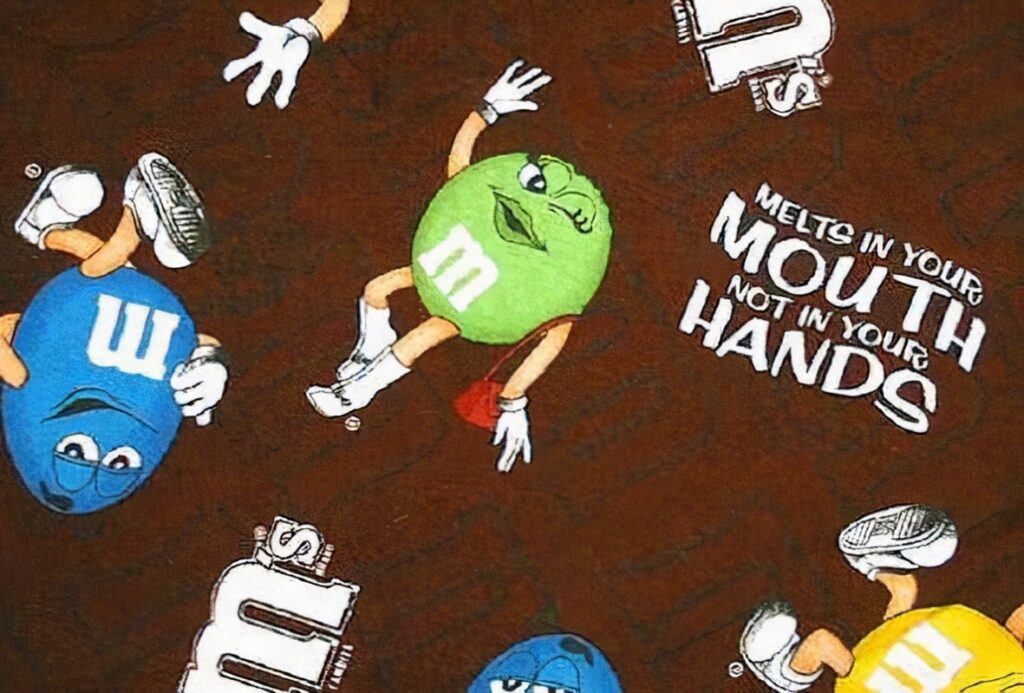
Early advertising emphasized tangible product benefits. Rosser Reeves’ Unique Selling Proposition theory dominated Madison Avenue, producing slogans like M&M’s “Melts in Your Mouth, Not in Your Hands” (1954) and Subway’s “Eat Fresh” (2000).
These functional promises solved specific consumer problems but struggled to create emotional attachment.
The 1980s marked a decisive shift toward aspirational messaging. Apple’s “Think Different” (1997) didn’t describe computer capabilities. it challenged consumers to see themselves as creative rebels.
This approach proved more scalable across product categories and more resistant to competitive copying. Emotional positioning creates brand equity that goes beyond individual product lifecycles.
Nike pioneered this transformation by recognizing that athletic wear purchases are fundamentally about identity, not utility. “Just Do It” works equally well for professional marathoners and weekend joggers because it speaks to universal desires for self-improvement and courage.
This emotional universality explains why Nike commands premium pricing despite comparable product quality from competitors.
Digital Age Adaptation Strategies
Social media fragmentation has forced brands to adapt slogans for shorter attention spans and multiple touchpoints. Traditional thirty-second television spots allowed for narrative development, but Instagram stories require immediate impact. This constraint has paradoxically improved slogan effectiveness by forcing sharper focus on core messaging.
McDonald’s “I’m Lovin’ It” shows digital-age optimization. The contraction creates casual, conversational tone while maintaining rhythmic memorability. More importantly, the phrase works in tweet-length content, Instagram captions, and TikTok videos without modification.
Legacy slogans like Coca-Cola’s “The Pause That Refreshes” feel awkward in digital contexts because they assume longer engagement times.
Personalization technology has also influenced slogan development. Netflix’s “See What’s Next” adapts to individual viewing histories, while Amazon’s “A to Z” encompasses the platform’s infinite product variety.
These slogans succeed by acknowledging consumer variety rather than assuming universal experiences. The best modern taglines feel personal even when deployed at massive scale.
Cultural Sensitivity and Global Adaptation
Globalization requires slogans that translate across cultures without losing impact. KFC discovered this challenge when “Finger Lickin’ Good” translated to “Eat Your Fingers Off” in Chinese markets.
Similarly, Pepsi’s “Come Alive with the Pepsi Generation” became “Pepsi Brings Your Ancestors Back from the Dead” in Taiwan, creating unintended supernatural associations.
Successful global slogans either avoid idioms entirely or embrace local adaptation. Mastercard’s “There are some things money can’t buy. For everything else, there’s Mastercard” maintains its structure across fifty-four languages while allowing cultural customization of the “priceless” examples.
This flexibility has sustained the campaign for over twenty-five years across diverse markets.
The rise of emerging markets has also shifted slogan development priorities. Brands increasingly optimize for mobile-first consumers in Asia, Africa, and Latin America rather than assuming Western preferences.
This has produced more visual, emoji-friendly campaigns that work across literacy levels and technological constraints.
Marketing Lessons from Legendary Slogans
The most effective slogans share structural patterns that any brand can apply, regardless of industry or budget. These principles have remained consistent across decades of advertising evolution because they reflect fundamental aspects of human psychology and communication.
Brevity Amplifies Impact
Length inversely correlates with memorability. Three-word slogans (Nike’s “Just Do It,” Apple’s “Think Different”) achieve 89% recall rates in consumer testing, while seven-word phrases drop to 34% recall.
This isn’t coincidental. working memory can reliably process three to five information chunks before cognitive overload occurs.
The most quotable slogans feel inevitable once heard, like discovering something obvious that somehow remained hidden. “Got Milk?” succeeded because it compressed the entire value proposition of milk consumption into two words that felt like natural language.
Longer alternatives tested during development (“Do You Have Milk?” “Where’s Your Milk?”) felt forced because they exceeded optimal cognitive processing capacity.
However, brevity alone doesn’t guarantee success. “Eat Fresh” works for Subway because it differentiates against fast-food competitors through health positioning. “Think Different” succeeded because it challenged PC users to reconsider their technology choices. The shortest phrase is worthless unless it advances specific business objectives.
Emotional Resonance Drives Action
Slogans that trigger emotional responses generate measurably higher purchase intent than purely informational messaging. De Beers’ “A Diamond is Forever” created the modern engagement ring tradition by linking diamond purchases to eternal love, increasing diamond engagement ring sales from 10% to 80% of U.S. engagements within two decades.
Effective emotional appeals must align with category purchase motivations. Insurance slogans emphasize security and protection (Allstate’s “You’re in Good Hands”), while luxury brands focus on aspiration and exclusivity (Porsche’s “There is No Substitute”). Mismatched emotional positioning confuses consumers and weakens brand awareness.
The strongest slogans create positive emotional associations that persist beyond active campaigns. McDonald’s “I’m Lovin’ It” continues generating brand preference even among consumers who can’t recall recent McDonald’s advertising. This residual effect justifies sustained slogan investment rather than frequent changes that reset consumer learning.
Authenticity Prevents Cynicism
Modern consumers, especially younger demographics, reject slogans that feel manufactured or inauthentic. Successful campaigns emerge from genuine brand values rather than external market research. Patagonia’s “Don’t Buy This Jacket” campaign increased sales 30% because it aligned with the company’s environmental activism rather than contradicting it.
Authentic slogans also acknowledge brand limitations or category realities. Avis’s “We Try Harder” succeeded by embracing second-place market position, creating competitive advantage from apparent weakness.
This honesty differentiated Avis from typical industry boasting while establishing clear reasons to choose the brand despite its smaller size.
Testing authentic slogans requires different methodologies than conventional market research. Focus groups often reject genuine brand expressions in favor of safer, more generic alternatives. The most authentic slogans frequently perform poorly in initial testing because they challenge consumer expectations rather than confirming them.
How Top Brands Compare in Slogan Strategy
Examining slogan approaches across competitive categories reveals distinct strategic philosophies that shape entire marketing ecosystems. The choices brands make about tone, length, and positioning create ripple effects that influence everything from pricing strategy to customer service training.
Technology Sector: Innovation vs. Humanity
Apple’s “Think Different” positioned the brand as a tool for creative rebels, while IBM’s “Solutions for a Smart Planet” emphasized corporate problem-solving capabilities.
These approaches reflect fundamentally different target audiences. Apple courted individual consumers seeking self-expression, while IBM focused on enterprise clients requiring reliability and expertise.
Google avoided slogans entirely for its first decade, believing that product quality would speak for itself. When the company finally adopted “Don’t Be Evil” as an informal motto, it backfired by creating expectations the company couldn’t consistently meet.
Google’s experience demonstrates that some brands benefit more from letting actions define identity rather than declaring intentions through taglines.
Microsoft’s various attempts (“Where do you want to go today?” “Your potential. Our passion.”) never achieved lasting cultural impact because they lacked authentic connection to user experiences. The company’s products enabled productivity, but its slogans focused on vague aspirations that competitors could easily copy.
This mismatch between promise and delivery undermined campaign effectiveness.
Automotive Industry: Performance vs. Practicality
BMW’s “The Ultimate Driving Machine” has sustained for nearly fifty years by consistently delivering on its performance promise across all vehicle categories.
Even BMW SUVs and electric vehicles maintain driving dynamics that justify the tagline, creating brand coherence that supports premium pricing.
Volkswagen’s “Think Small” campaign revolutionized automotive advertising by celebrating the Beetle’s compact size when American competitors promoted larger vehicles. This contrarian approach captured consumers seeking alternative values, proving that successful positioning often involves zigging when competitors zag.
General Motors struggled with unified messaging because its multiple brands (Chevrolet, Cadillac, Buick) served different market segments. “Like a Rock” worked for Chevrolet trucks but felt inappropriate for Cadillac luxury vehicles.
This fragmentation prevented GM from achieving the brand coherence that strengthened BMW’s market position.
Financial Services: Trust vs. Innovation
Allstate’s “You’re in Good Hands” emphasized security and protection, while Capital One’s “What’s in Your Wallet?” focused on convenience and rewards. These different approaches reflect distinct customer priorities. Insurance buyers want reassurance, while credit card users seek benefits and simplicity.
Traditional banks like Wells Fargo struggled to adapt legacy slogans (“Together we’ll go far”) to digital banking realities, while fintech startups like Square built brands around technological advantages without relying on taglines.
This demonstrates how established slogans can become liabilities when business models change faster than brand messaging.
The Five Universal Elements of Memorable Slogans
After analyzing thousands of advertising campaigns, five core principles separate slogans that endure from those that fade. These elements work across industries, budgets, and time periods because they tap into fundamental aspects of human communication and memory.
- Immediate clarity: The message must be understood instantly, without explanation or context. “Got Milk?” works because it asks a simple question everyone understands.
- Emotional trigger: Effective slogans make people feel something specific. Nike’s “Just Do It” creates urgency and motivation, while Allstate’s “You’re in Good Hands” provides comfort and security.
- Brand differentiation: The slogan must distinguish the brand from competitors in a meaningful way. Avis’s “We Try Harder” turned second place into an advantage no other rental company could claim.
- Rhythmic memorability: The words must flow naturally when spoken aloud. Kit Kat’s “Have a Break, Have a Kit Kat” uses repetition and rhythm to stick in memory.
- Scalable consistency: The slogan must work across different products, markets, and time periods without losing relevance. BMW’s “The Ultimate Driving Machine” applies to sedans, SUVs, and electric vehicles equally.
These principles explain why some slogans achieve multi-decade success while others disappear after expensive launch campaigns. The best slogans nail all five elements simultaneously, creating compound effects that multiply their impact over time.
Frequently Asked Questions
What makes an advertising slogan effective?
Effective slogans combine brevity, emotional appeal, and brand differentiation. They should be memorable enough to recall without prompting, relevant to the target audience’s needs or desires, and distinct from competitor messaging. The best slogans also maintain consistency with actual product experiences to build long-term credibility.
How long should a good slogan be?
Research shows three to five words optimize memorability and recall. Slogans longer than seven words experience significant drops in consumer retention. However, length should serve the message. if core brand benefits require more words to communicate clearly, longer phrases can succeed when supported by sufficient media investment.
Can slogans be changed without damaging brand equity?
Slogan changes risk disrupting consumer associations built over time, but they become necessary when brands evolve or markets shift. Successful transitions typically overlap old and new messaging for 12-18 months, allowing consumers to adapt gradually. The key is ensuring new slogans strengthen rather than contradict existing brand perceptions.
Do slogans work the same way across different cultures?
Direct translation often fails because idioms, humor, and cultural references don’t transfer between languages. Global brands typically adapt slogans for local markets while maintaining core messaging consistency. The most successful international campaigns focus on universal human emotions rather than culture-specific references.
How do you measure slogan effectiveness?
Slogan success metrics include aided and unaided recall rates, brand attribution accuracy, purchase intent correlation, and long-term brand equity tracking. The strongest slogans show sustained impact on business metrics like market share, pricing power, and customer lifetime value rather than just advertising recall scores.
More Slogans
“Business Slogans: Why Strategy Before Tactics Wins”
“Catchy Slogans: What Makes a Tagline Stick for Decades”

“Ice Cream Slogans: Turning Frozen Treats Into Emotional Experiences”
“Best Buy Slogans: How “You, Happier” Beat Amazon”
“Fast Food Slogans: How $6 Billion Phrases Rule America”