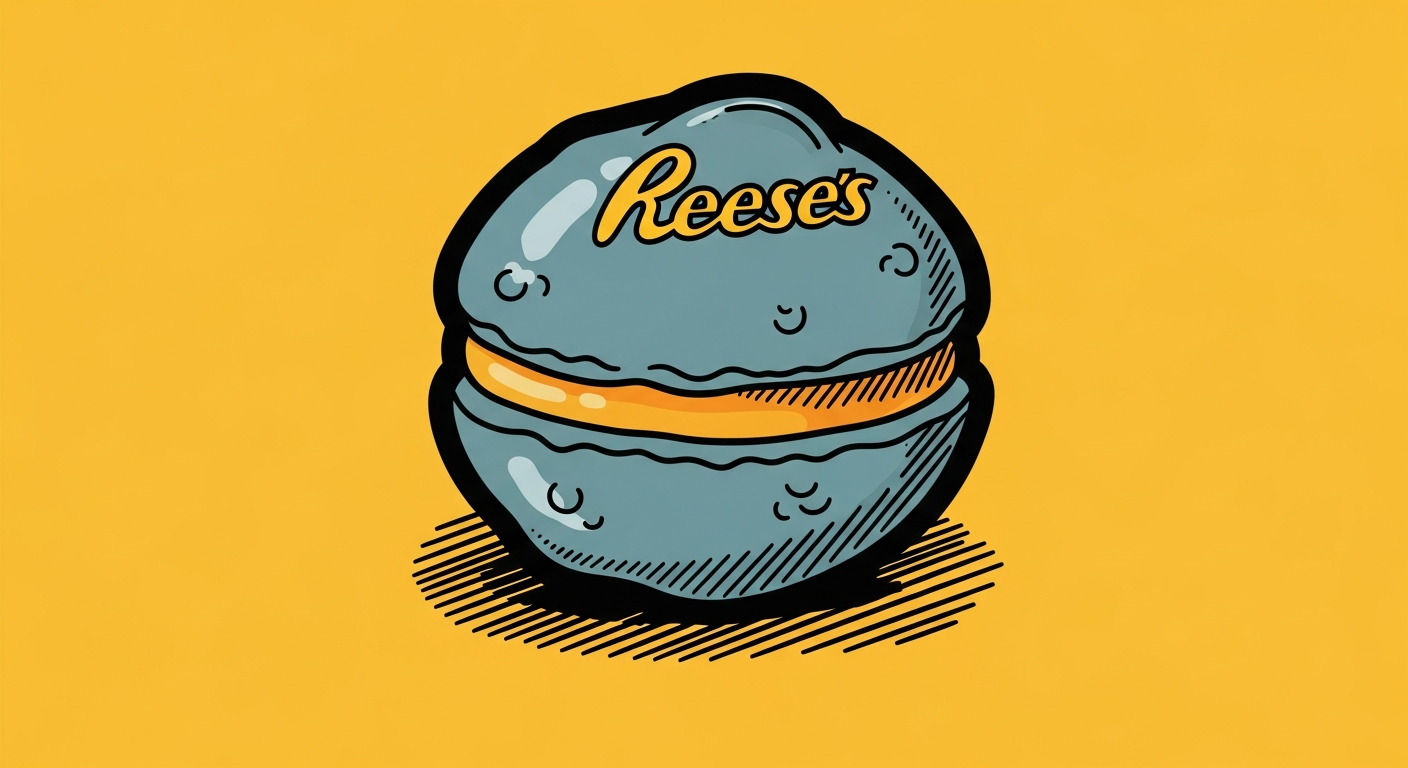
In 1981, Mars Inc. turned down a request from Steven Spielberg to feature M&M’s in a movie about a boy and an alien. Hershey said yes, and Reese’s Pieces sales jumped 65% in the two weeks following E.T.’s release.
That decision, and its consequences, captures why product placement has grown into a $33 billion global industry. A single well-integrated placement delivers brand recall, cultural relevance, and sales impact that traditional advertising struggles to match.
What Is Product Placement?
Product placement is a marketing strategy where branded products or services are integrated into entertainment content, including films, television shows, video games, and music videos, in exchange for payment or promotional consideration. Unlike traditional advertising, which interrupts content, product placement embeds the brand within the content itself.
The global product placement market reached approximately $33 billion in 2024 according to PQ Media’s Global Product Placement Forecast. This figure has doubled since 2014, driven by ad-skipping technology, streaming growth, and the decline of traditional commercial breaks. As consumers find more ways to avoid ads, brands find more ways to become the content.
Product placement differs from sponsorship and brand awareness campaigns in one critical way: the brand becomes part of the narrative rather than adjacent to it.
A Brief History of Product Placement
Product placement is older than most marketers realize. The practice dates back to the earliest days of commercial entertainment.
Early Cinema and the Lumiere Brothers (1890s-1960s)
The Lumiere brothers featured Lever’s Sunlight Soap in their films as early as 1896. In the 1920s and 1930s, Hollywood studios regularly incorporated branded products into scenes in exchange for props and set dressing. These early placements were mostly informal arrangements rather than strategic marketing initiatives.
The practice became more deliberate in the 1950s when Gordon’s Gin paid to appear in The African Queen (1951).
The E.T. Revolution (1982)
Reese’s Pieces in E.T. the Extra-Terrestrial transformed product placement from an informal arrangement into a measurable marketing strategy.
Hershey reportedly spent $1 million on promotional tie-ins with the film. The return was a 65% increase in Reese’s Pieces profits within two weeks of the film’s release. For the first time, brands could point to a specific entertainment integration and track a direct sales impact. Every product placement deal negotiated since references E.T. as the proof of concept.
The TV Integration Era (2000s)
As DVRs enabled commercial skipping, television producers turned to in-show brand integration as a revenue stream.
Simon Fuller’s American Idol featured Coca-Cola cups prominently on the judges’ table and Ford vehicles in contestant segments. These were not background props. They were negotiated brand integrations worth an estimated $35 million per season. The 2000s established that television product placement could generate revenue comparable to commercial breaks while reaching audiences that fast-forwarded through traditional ads.
The Streaming and Digital Era (2020s-Present)
Streaming platforms have no commercial breaks, which makes product placement the primary advertising mechanism within content.
Netflix, Amazon Prime, and Apple TV+ all have brand partnership teams that negotiate placements during production. More significantly, virtual product placement technology now allows brands to be digitally inserted into existing content post-production. A character drinking from a generic coffee cup in the original edit can have a Starbucks logo added digitally for specific markets. This technology represents the next frontier of the industry.
Types of Product Placement
Not all placements are created equal. Effectiveness and cost scale with the depth of brand integration.
| Type | Description | Est. Cost Range | Recall Rate | Example |
|---|---|---|---|---|
| Visual/Background | Brand visible in scene, no interaction | $50K-$250K | ~22% | Billboards in city scenes |
| Verbal mention | Character speaks the brand name | $100K-$500K | ~38% | “Get me a Pepsi” |
| Usage placement | Character actively uses the product | $250K-$2M | ~53% | James Bond driving an Aston Martin |
| Plot integration | Brand is woven into the storyline | $1M-$45M | ~81% | FedEx in Cast Away |
Visual and Background Placement
The lowest level of integration places the brand in the visual field without any character interaction. A billboard in a street scene, a branded product on a shelf, or a logo on a vehicle in the background all qualify.
Visual placements are the cheapest and most common type, but they generate the lowest recall. Research on brand placement effectiveness shows that background placements achieve approximately 22% aided recall, meaning most viewers do not consciously register the brand. However, implicit memory research suggests that even unrecalled placements can influence brand preference through the mere exposure effect.
Verbal Mention
When a character speaks a brand name in dialogue, recall increases significantly because the auditory channel reinforces the visual.
In Sex and the City, Carrie Bradshaw’s frequent verbal references to Manolo Blahnik shoes over 16 episodes transformed a niche luxury brand into a household name. The brand never paid for the placement. Creator Darren Star incorporated it because it fit the character authentically. Verbal mentions work best when they feel natural to the dialogue and character.
Usage Placement
Usage placement shows a character actively interacting with the product, holding it, consuming it, or relying on it.
James Bond driving an Aston Martin is usage placement. The character’s identity becomes associated with the brand. When audiences see Bond behind the wheel, they associate the car with sophistication, danger, and competence. Usage placement achieves approximately 53% recall according to MNTN Research because the audience watches the character experience the product. Apple has mastered usage placement, appearing in over 891 television shows and films. The company maintains strict guidelines: Apple products can only be used by protagonists and “good” characters, never by villains.
Plot Integration
Plot integration weaves the brand into the storyline so deeply that removing it would alter the narrative.
FedEx in Cast Away (2000) is the definitive example. Tom Hanks’ character is a FedEx employee stranded on a desert island. FedEx packages drive the plot. A sealed FedEx box becomes a symbol of hope and purpose throughout the film. FedEx reportedly did not pay for the placement, but the brand exposure was worth millions in equivalent advertising. The brand recall rate for plot-integrated placements reaches 81% because the audience cannot process the story without processing the brand.
12 Product Placement Examples That Changed Marketing
The following examples represent the most impactful product placements in entertainment history, with documented business results.
1. Reese’s Pieces in E.T. (1982)
Elliott uses Reese’s Pieces to lure E.T. out of hiding. The candy is central to the relationship between boy and alien.
Result: 65% profit increase within two weeks. The placement cost Hershey approximately $1 million in promotional tie-ins. The return was the most dramatic sales lift from a single placement in marketing history. Mars’ decision to decline the M&M’s opportunity is taught in business schools as one of the great missed opportunities in brand marketing.
2. Ray-Ban in Top Gun (1986)
Tom Cruise’s Maverick character wore Ray-Ban Aviator sunglasses throughout the film, cementing the style as a symbol of fighter-pilot cool.
Ray-Ban Aviator sales increased nearly 40% in the seven months following the film’s release. The brand, which had been declining, experienced a complete revival. Top Gun: Maverick (2022) renewed the partnership 36 years later, demonstrating the longevity of a successful placement.
3. James Bond: From Aston Martin to Heineken’s $45 Million Deal
The Bond franchise has featured product placements since Dr. No (1962), where Sean Connery drove a Sunbeam Alpine.
The franchise’s placements have escalated dramatically. Heineken paid $45 million for Bond to drink their beer in Skyfall (2012), reportedly covering one-third of the film’s production budget. The deal sparked backlash from Bond purists who argued that the character should drink martinis, not beer. Despite the controversy, the deal was credited with helping fund the film’s production, with Daniel Craig himself noting that partnerships like Heineken’s were essential for the movie’s existence.
Bond films now generate over $100 million per film from product placement deals alone.
4. FedEx and Wilson in Cast Away (2000)
Tom Hanks’ character works for FedEx and befriends a Wilson volleyball while stranded on a deserted island.
Both brands received plot-integration placement. FedEx’s brand recognition increased significantly following the film’s release, though the company was careful to note that the film showed a plane crash. Wilson capitalized by creating a “Cast Away” edition volleyball that remains in production over two decades later. Neither brand paid for the placement. Director Robert Zemeckis integrated them because they served the story authentically.
5. Apple’s 891 Screen Appearances
Apple products have appeared in over 891 television shows and films, making Apple the most placed brand in entertainment history.
Apple does not pay for placements. Instead, it lends products to productions for free, with strict guidelines. Apple products can only be shown being used by sympathetic characters. Villains never use iPhones or MacBooks. This strategy ensures every placement reinforces Apple’s brand positioning as the choice of creative, competent, and likable people. The cumulative effect across hundreds of placements has embedded Apple products as cultural defaults for on-screen technology.
6. Manolo Blahnik in Sex and the City
Carrie Bradshaw mentioned Manolo Blahnik by name in 16 episodes of Sex and the City. The character’s obsession with the shoes became a defining personality trait.
The placement was unpaid and organic, driven by the character and storyline. Manolo Blahnik’s revenue reportedly doubled during the show’s run. The brand went from a niche luxury shoe maker known primarily within fashion circles to a globally recognized name associated with glamour and aspiration. This example demonstrates that the most powerful placements are those that serve the character’s identity.
7. Nike Self-Lacing Shoes in Back to the Future Part II (1989)
Marty McFly arrived in 2015 wearing Nike MAG shoes that laced themselves automatically.
The fictional product created real consumer demand that lasted for decades. In 2016, Nike actually produced self-lacing Nike MAGs and auctioned 89 pairs, raising $6.75 million for the Michael J. Fox Foundation. Nike subsequently released the Nike Adapt series of self-lacing shoes for the general market. A product placement in a 1989 film created a product category that did not exist until 2016. The timespan between placement and product proves the extraordinary longevity of plot-integrated brand exposure.
8. Stranger Things Multi-Brand Revival (2016-2024)
Stranger Things became a product placement phenomenon by setting its story in the 1980s, allowing brands to integrate through period-accurate nostalgia.
Coca-Cola partnered with the show to reissue New Coke, a product that had been discontinued since 1985, timed to coincide with Season 3. The limited run sold out immediately. Eggo Waffles, which the character Eleven eats obsessively, saw social media mentions increase over 900% during Season 2’s release according to Kellogg’s data. The show demonstrated that entertainment can resurrect dormant brands by embedding them in cultural nostalgia.
9. Love Island and Missguided (2018)
UK reality show Love Island partnered with fast-fashion brand Missguided, with contestants wearing the brand’s clothing throughout the series.
Missguided reported a 40% increase in sales during the partnership. The show’s format, contestants living together in a villa for weeks, provided continuous, naturalistic usage placement. Every outfit became a shoppable moment. Love Island subsequently partnered with eBay and I Saw It First, proving that reality television’s unscripted format creates placement opportunities that scripted content cannot match.
10. Wayne’s World: Satirizing Product Placement (1992)
Wayne Campbell and Garth Algar deliver a monologue about not “selling out” while blatantly holding Pizza Hut, Doritos, Pepsi, and Reebok products directly to camera.
The scene satirized product placement while simultaneously executing it. Each brand paid for the appearance. The humor made the placements more memorable, not less. Audiences remember the brands precisely because the scene called attention to the practice. 30 Rock later used the same technique with Snapple integrations, proving that meta-commentary on product placement can be more effective than subtle placement.
11. Etch-A-Sketch in Toy Story (1995)
The Etch-A-Sketch character appeared as one of Andy’s toys in Toy Story, communicating with other toys by drawing messages on its screen.
Ohio Art Company, the manufacturer, saw a significant sales boost from the Etch-A-Sketch’s appearance in the film, with sales increasing by 20% and ensuring the company’s survival. The product had been declining as children shifted to electronic toys. A single animated film revived a product category. The placement worked because it gave the product a character, personality, and narrative role rather than simply showing it on a shelf.
12. Audi in Iron Man (2008)
Tony Stark drove an Audi R8 in the first Iron Man film, establishing Audi as the automotive brand of Marvel’s most charismatic character.
Audi continued the partnership across multiple Marvel films, with each installment featuring newer models. The placement targeted the 18-34 male demographic, which was precisely the audience most resistant to traditional car advertising. Audi’s “no boring cars” positioning aligned perfectly with Tony Stark’s character. Search interest for “Audi R8” spiked significantly following the film’s opening weekend. The partnership demonstrated that character-brand alignment matters more than screen time.
Product Placement vs. Traditional Advertising
Understanding when to invest in placement versus conventional paid media requires comparing them across key performance dimensions.
| Dimension | Product Placement | Traditional TV Advertising |
|---|---|---|
| Cost per placement | $50K-$45M (varies by type) | $100K-$7M (Super Bowl) |
| Recall rate | 22-81% (depends on integration depth) | 25-32% |
| Skippability | Cannot be skipped | DVR skip rate: 60-86% |
| Lifespan | Indefinite (reruns, streaming) | Flight duration only |
| Brand safety | Content risk (film may flop) | Controlled environment |
| Targeting precision | Broad (audience of the content) | Precise (programmatic, demo) |
| Measurement | Complex (brand lift, recall studies) | Established (GRPs, reach, frequency) |
The unskippable nature of product placement is its primary advantage in the streaming era. As ad-free subscriptions grow, placement becomes one of the few remaining ways to reach premium content audiences.
How Much Does Product Placement Cost?
Costs range from free product loans to eight-figure deals, depending on the property, placement type, and brand category.
Independent films accept product loans in exchange for visibility, effectively costing the brand nothing beyond the product itself. Network television placements range from $100,000 to $500,000 per integration. Blockbuster film placements start at $1 million and scale to the $45 million Heineken paid for Bond. The distinction between paid and unpaid placement is significant: Apple’s 891 screen appearances have cost the company nothing in placement fees because productions want the products for authenticity.
Brands considering product placement should budget for measurement costs in addition to placement fees, because ROI without measurement is speculation.
Product Placement in the Streaming Era
Streaming is transforming product placement from a supplementary tactic into a primary advertising channel.
Virtual Product Placement
Virtual placement technology digitally inserts branded products into existing content during post-production. Amazon’s technology can place a branded cereal box on a kitchen table that was empty in the original shoot.
This creates several new possibilities. Placements can be updated over time (swap one brand for another). They can be regionalized (different brands in different markets). They can be A/B tested (measure which brand generates more engagement). Amazon has deployed virtual placement across its Prime Video content. NBCUniversal’s Peacock platform offers similar capabilities. The technology is still maturing, but early data from Nielsen suggests virtual placements can achieve recall rates comparable to or even exceeding physical placements when executed seamlessly, with one study showing 17% higher brand recall than traditional placements.
Influencer Product Placement on Social Media
Social media influencer content functions as product placement in a new medium.
When a fitness influencer films a workout wearing a specific brand, that is usage placement. When a cooking creator mentions a brand of olive oil by name, that is verbal placement. The FTC requires disclosure of paid partnerships, but the psychological mechanism is identical to traditional entertainment placement: the brand is embedded in content the audience chose to watch.
When Product Placement Goes Wrong
Not every placement enhances the brand. Poor execution or misaligned content can generate backlash rather than brand lift.
The Heineken-Bond Backlash
When Heineken paid $45 million for Bond to drink beer instead of his signature martini in Skyfall, fans reacted negatively. The placement felt inauthentic because it contradicted an established character trait. “Shaken, not stirred” is one of the most iconic lines in cinema. Replacing it with a beer undercut the character’s sophistication.
The lesson: placements that contradict established character identity generate resistance rather than positive brand transfer.
Too-Obvious Integrations That Break Immersion
When a character delivers what is clearly a scripted brand endorsement within an otherwise natural scene, audiences notice and disengage.
The Transformers franchise has been criticized for gratuitous brand integrations that serve no narrative purpose. A lingering shot of a Bud Light logo amid an action sequence breaks the audience’s immersion in the story. The most effective placements are invisible because they serve the narrative. The worst placements are visible precisely because they interrupt it.
Ethical Concerns in Children’s Content
Product placement in children’s programming raises ethical questions because young viewers cannot distinguish editorial content from advertising.
The FCC regulates product placement in children’s television in the United States, requiring clear disclosure. However, streaming content and YouTube channels face less regulatory oversight. Several European countries ban product placement in children’s content entirely. Brands considering placement in content consumed by minors should evaluate the reputational risk alongside the marketing opportunity.
Frequently Asked Questions
What is product placement in marketing?
Product placement is a marketing strategy where branded products are integrated into entertainment content such as films, TV shows, video games, and music videos. Unlike traditional ads that interrupt content, placements embed the brand within the content. The global product placement market is valued at $33 billion and growing as streaming reduces traditional advertising opportunities.
How much does product placement cost?
Costs range from zero (free product loans for independent films) to $45 million (Heineken’s Bond deal). Network TV placements typically cost $100,000 to $500,000. Blockbuster film placements start at $1 million. The cost depends on the property’s audience size, the type of placement (visual, verbal, usage, or plot integration), and the brand category. Some brands, like Apple, never pay for placements but maintain them through free product lending.
What is the most famous product placement?
Reese’s Pieces in E.T. the Extra-Terrestrial (1982) is widely considered the most famous product placement in history. The candy’s role in the plot, where Elliott uses it to lure the alien, drove a 65% profit increase within two weeks. The placement is significant because it was the first to demonstrate measurable sales impact and because Mars Inc.’s decision to decline M&M’s for the same role is one of marketing’s most-cited missed opportunities.
Is product placement legal?
Yes, product placement is legal in most markets, but disclosure requirements vary. The FCC requires disclosure of paid placements in US broadcast television. The EU Audiovisual Media Services Directive requires member states to regulate placement disclosure. The FTC mandates disclosure when influencers receive compensation for featuring products. Children’s content faces stricter rules, with some European countries banning placement entirely in programming for minors.
How do you measure product placement ROI?
Measurement combines brand recall studies (aided and unaided recall surveys), media equivalency value (what the screen time would cost as traditional advertising), brand lift (awareness, favorability, and purchase intent changes), and sales correlation analysis (tracking sales during and after the content’s release). Ray-Ban’s 40% sales increase after Top Gun and Reese’s Pieces’ 65% profit jump after E.T. demonstrate that ROI is measurable when brands invest in proper attribution studies.
Product placement has evolved from an informal prop arrangement into one of advertising’s most important strategies. As streaming eliminates commercial breaks and consumers find new ways to skip traditional ads, the brands embedded in the content itself hold the most durable position. For more on how brands reach audiences through non-traditional formats, explore our guide to types of advertising and the rise of native advertising strategies.