A 2023 BrightLocal survey found that 98% of consumers read online reviews before making a purchase. That number was 77% in 2017.
The gap between those two figures tells you everything about social proof in advertising. Consumers increasingly rely on the behavior and opinions of others to make decisions, and brands that systematically embed social proof into their advertising see conversion rates up to 270% higher than those using brand messaging alone.
What Is Social Proof?
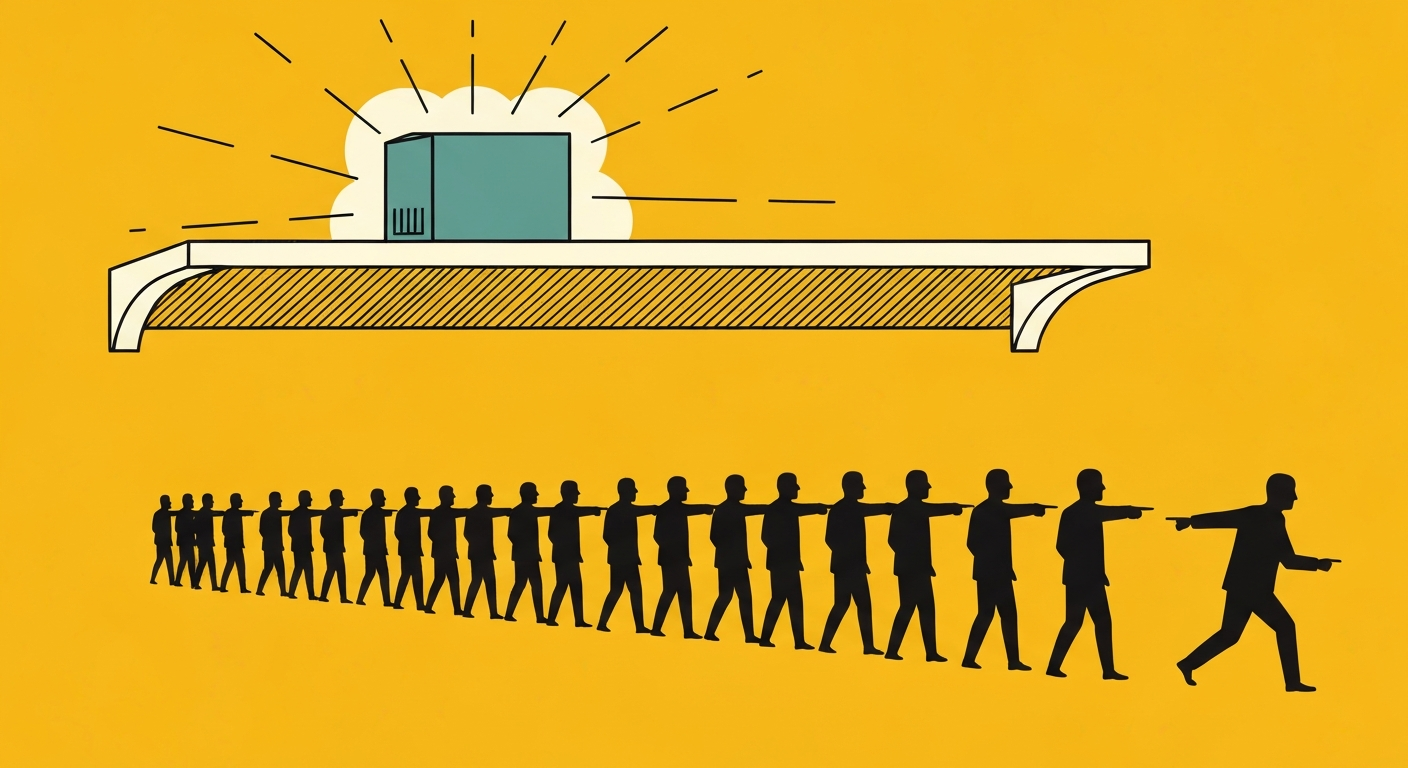
Social proof is a psychological principle where people look to the actions and choices of others to determine their own behavior. When we are uncertain about a decision, we follow the crowd. This is not weakness. It is an efficient cognitive shortcut that evolved to help humans navigate complex social environments.
Robert Cialdini first formalized social proof as a persuasion principle in his 1984 book Influence: The Psychology of Persuasion. He defined it as the tendency to view a behavior as correct to the degree that we see others performing it. In advertising, this means that showing consumers that other people already trust, use, or endorse your product is more persuasive than any claim the brand can make about itself.
The Psychology Behind Social Proof
Social proof operates through two psychological mechanisms: informational influence and normative influence.
Informational influence occurs when we genuinely don’t know what to do and look to others for guidance. A traveler choosing between two restaurants will pick the one with a line outside. Normative influence occurs when we conform to be accepted by a group, even if we privately disagree. Solomon Asch’s 1951 conformity experiments demonstrated that 75% of participants gave an obviously wrong answer at least once simply because the rest of the group gave that answer first.
For advertisers, both mechanisms drive behavior, but through different pathways.
Why Social Proof Works in Advertising
Advertising asks consumers to trust a brand’s claim. Social proof shifts that trust from the brand to other consumers.
The Spiegel Research Center at Northwestern University found that displaying reviews increases conversion rates by 270% for higher-priced products. The effect is strongest when the consumer has no prior experience with the brand. This is why social proof is particularly powerful in acquisition campaigns where brand awareness is low and skepticism is high.
6 Types of Social Proof in Advertising
Cialdini’s framework identifies six distinct types. Each serves a different advertising objective, and the most effective campaigns combine two or three types within a single piece of creative.
| Type | Source | Best For | Ad Channel | Trust Level |
|---|---|---|---|---|
| Expert | Industry authorities, professionals | Complex or technical products | TV, print, landing pages | Very high |
| Celebrity/Influencer | Famous individuals, creators | Lifestyle and aspirational brands | Social media, TV, OOH | High (if authentic) |
| User | Reviews, testimonials, UGC | E-commerce, SaaS, services | Social ads, display, email | High |
| Wisdom of the crowd | Large numbers (“10 million served”) | Mass-market products | All channels | Moderate |
| Wisdom of friends | Referrals, friend activity | Apps, subscriptions, local services | Social, email, in-app | Very high |
| Certification | Trust badges, awards, seals | Finance, health, B2B | Display, landing pages, print | High |
Expert Social Proof
Expert social proof leverages the authority of industry professionals, credentialed specialists, or recognized institutions to validate a product.
Sensodyne toothpaste has built its entire advertising strategy around the endorsement: “recommended by dentists.” Colgate’s “recommended by dentists and hygienists worldwide” follows the same model. Expert social proof works because it transfers the expert’s credibility to the product. Research consistently shows that expert endorsements outperform celebrity endorsements for products where quality is difficult to evaluate before purchase, because source credibility and expertise carry more weight than fame when consumers feel unqualified to judge quality themselves.
This type performs best in categories where consumers feel unqualified to judge quality themselves.
Celebrity and Influencer Endorsements
Celebrity endorsements are the oldest form of social proof in advertising, dating back to the 1760s when Josiah Wedgwood used royal endorsements to sell pottery.
Nike’s partnership with Michael Jordan, which launched in 1984, remains the gold standard. The Air Jordan line generated $5.1 billion in revenue in 2022 alone. Modern influencer marketing operates on the same principle but with narrower, more engaged audiences. Micro-influencers with 10,000 to 100,000 followers generate 60% higher engagement rates than mega-celebrities because their audiences perceive them as more authentic and relatable.
User Social Proof
User social proof includes reviews, testimonials, ratings, and user-generated content from actual customers.
This is the most versatile type because it can be embedded in every advertising channel. Amazon displays star ratings in its sponsored product ads. Facebook and Instagram allow advertisers to use customer testimonials as ad creative. Google Shopping ads pull review stars directly into the search results. The Spiegel Research Center found that products with five reviews are 270% more likely to be purchased than products with no reviews.
The threshold effect is critical: moving from zero to five reviews matters more than moving from 50 to 500.
Wisdom of the Crowd
“50 million Elvis fans can’t be wrong.” This is wisdom of the crowd in its purest form.
McDonald’s “Billions Served” sign is perhaps the most visible example of crowd social proof in advertising history. The principle works because large numbers signal safety. If millions of people already made this choice, the risk of a bad decision seems low. Spotify uses this in its advertising by highlighting “100 million songs” and total listener counts. The tactic is particularly effective for products where trial carries perceived risk.
Wisdom of Friends
Referrals from friends carry more weight than any other form of social proof.
Nielsen research found that 92% of consumers trust recommendations from people they know over any form of advertising. Dropbox grew from 100,000 to 4 million users in 15 months through its referral program, which gave both the referrer and the referred user extra storage. The wisdom of friends operates through normative influence. We conform to our peer group’s choices not just because we trust their judgment, but because we want to belong to the same tribe.
This type is hardest to manufacture and easiest to trust.
Certification and Trust Badges
Trust badges, industry certifications, award seals, and security indicators serve as institutional social proof.
Blue Fountain Media reported a 42% increase in sales after adding the Norton Secured seal to its website, and Symantec’s own customer case studies showed an average transaction increase of 24%. “As seen on” media logos on landing pages serve the same function. B2B companies prominently display G2 ratings, Gartner Magic Quadrant placements, and ISO certifications. These signals work because they outsource trust to a recognized third-party institution.
Social Proof in Advertising: Brand Examples
The following examples demonstrate how leading brands deploy social proof across advertising channels, not just on their websites.
Nike and Celebrity Endorsement Power
Nike’s endorsement strategy extends far beyond Michael Jordan. The brand spends approximately $1.5 billion annually on athlete endorsements, more than any other sports brand. Each endorsement functions as expert social proof (the world’s best athletes choose Nike) and celebrity social proof (consumers want to emulate their heroes) simultaneously.
Nike’s advertising rarely features product specifications. Instead, ads show LeBron James, Serena Williams, or Cristiano Ronaldo performing in Nike gear. The social proof message is implicit: if they choose Nike, you should too.
Glossier and User-Generated Content
Glossier built a $1.8 billion beauty brand primarily through user social proof.
Founder Emily Weiss started with the blog Into The Gloss, where real women shared their beauty routines. When Glossier launched products, those same women became the advertising. Glossier’s social media ads feature real customer photos, not professional models. The brand’s Instagram is essentially a curated feed of user testimonials. This approach generated 70% of Glossier’s growth through peer referrals and earned media rather than paid earned media campaigns.
Booking.com’s Real-Time Scarcity Signals
“12 people are looking at this hotel right now.” “Booked 6 times in the last 24 hours.” “Only 2 rooms left.”
Booking.com combines wisdom of the crowd social proof with scarcity signals to create urgency. These real-time indicators tell the consumer that other people are actively choosing this option. The social proof reduces decision anxiety while the scarcity creates pressure to act. Booking.com’s relentless A/B testing of these indicators drives conversions across the platform at two to three times the industry average, according to Evercore Group research.
Frank Body’s $20 Million Hashtag Strategy
Australian skincare brand Frank Body asked customers to share photos using its coffee scrub with the hashtag #thefrankeffect.
The campaign generated over 100,000 user-created images and helped the brand reach $20 million in revenue within two years of launch. Frank Body used these UGC images in its paid social advertising, turning user social proof into paid media creative. The authenticity of customer photos outperformed studio-shot product images by 30% in ad engagement metrics.
How to Use Social Proof in Paid Advertising
Most brands confine social proof to their website. The real competitive advantage comes from embedding it directly into paid advertising creative across channels.
Social Proof in Social Media Ads
Facebook and Instagram ads that feature customer testimonials, review scores, or UGC consistently outperform brand-produced creative.
Use customer quotes as primary ad copy. Feature star ratings in ad images. Show real customer photos instead of studio photography. Meta’s own advertising guidelines recommend using “authentic, user-generated content” because their internal data shows it generates higher engagement and lower cost per acquisition. The target audience responds to faces and stories from people like them.
Social Proof in Display and Programmatic
Display ads have limited space, which makes social proof even more valuable because it communicates trust instantly.
A banner ad that says “Rated 4.8/5 by 10,000 customers” conveys more trust in five words than any brand tagline. Programmatic advertising platforms allow dynamic creative optimization, which means you can test review-based ads against feature-based ads at scale and let the data determine allocation.
Social Proof in Email Marketing
Including customer reviews in promotional emails measurably increases click-through rates by reinforcing trust at the moment of decision.
Product recommendation emails that include “customers who bought this also bought” combine wisdom of the crowd with personalization. Abandoned cart emails that say “this item is in 47 other carts right now” use real-time social proof to recover lost sales. Email is an underused channel for social proof because most brands treat it as a broadcast medium rather than a trust-building touchpoint.
When Social Proof Backfires
Social proof is not universally positive. Misapplied social proof can actively harm a brand’s advertising performance and consumer trust.
Negative Social Proof
In 2003, Arizona’s Petrified Forest National Park posted signs reading: “Your heritage is being vandalized every day by theft losses of petrified wood of 14 tons a year.” Robert Cialdini studied the impact and found that the sign actually increased theft.
The message told visitors that stealing was common behavior, which normalized it. This is negative social proof: when you accidentally communicate that undesirable behavior is widespread, you encourage more of it. Advertising that says “only 3% of our customers leave reviews” discourages reviews. Messaging that says “most people don’t recycle” reduces recycling. Always frame social proof around the desired behavior, not the undesired one.
Fake Reviews and Trust Erosion
The FTC fined Fashion Nova $4.2 million in 2022 for suppressing negative reviews.
As consumers become more sophisticated, they scrutinize social proof for authenticity. A 2023 study found that 62% of consumers believe they have encountered fake reviews in the past year. Brands caught manufacturing social proof face regulatory penalties and permanent trust damage. The rise of AI-generated reviews is accelerating this trust erosion. Authentic, verifiable social proof is becoming a competitive moat precisely because fake social proof is becoming so common.
Overuse and Diminishing Returns
When every element on a page screams social proof, none of it feels genuine.
Landing pages with 15 trust badges, 20 testimonials, and real-time visitor counts simultaneously trigger skepticism rather than trust. The most effective social proof is selective and contextual. One powerful testimonial placed next to the buy button outperforms a wall of reviews. Restraint signals confidence. Desperation signals risk.
Measuring Social Proof Effectiveness
Social proof must be measured like any other advertising element. The key is isolating the impact of social proof from other creative variables.
Key Metrics to Track
Measure conversion rate lift when social proof elements are added to ad creative. Track click-through rate differences between social proof ads and brand-message ads. Monitor cost per acquisition changes when review scores are included in ad copy. For longer-term measurement, track brand lift studies that isolate social proof messaging from product messaging.
A/B Testing Social Proof Elements
Test one social proof variable at a time.
Compare a testimonial headline against a benefit headline. Compare a star rating in the ad image against a lifestyle image. Compare “trusted by 50,000 marketers” against “the marketing platform that grows revenue.” Each test isolates the impact of social proof on a specific metric. Over time, these tests build a library of social proof creative that performs reliably across campaigns.
Run tests for a minimum of two weeks to account for day-of-week variations in consumer behavior.
Frequently Asked Questions
What is social proof in advertising?
Social proof in advertising is the practice of using other people’s behavior, opinions, or endorsements to influence consumer decisions. When a brand shows that experts recommend its product, celebrities use it, or thousands of customers rate it highly, it leverages the psychological principle that people follow the actions of others when uncertain. Robert Cialdini identified it as one of six core persuasion principles.
What are the 6 types of social proof?
The six types are expert social proof (professional endorsements), celebrity and influencer social proof (famous endorsements), user social proof (reviews and testimonials), wisdom of the crowd (large usage numbers), wisdom of friends (peer referrals), and certification social proof (trust badges and awards). Each type works through different trust mechanisms and suits different advertising channels.
How do brands use social proof in ads?
Brands embed social proof directly into advertising creative. Nike uses athlete endorsements in television and social media ads. Amazon displays star ratings in sponsored product ads. Booking.com shows real-time booking activity. Glossier features customer photos in paid social campaigns. The most effective approach uses multiple social proof types within a single campaign across different touchpoints in the customer journey.
Does social proof really increase conversions?
Yes. The Spiegel Research Center at Northwestern found that displaying reviews increases conversion rates by 270% for higher-priced products. BrightLocal data shows 98% of consumers read reviews before purchasing. Nielsen reports that 92% of consumers trust peer recommendations over advertising. The evidence across multiple studies and data sources consistently shows that social proof is one of the most reliable conversion drivers in advertising.
What is negative social proof?
Negative social proof occurs when messaging accidentally communicates that undesirable behavior is common, which normalizes and encourages it. Robert Cialdini documented this when Arizona’s Petrified Forest signs about widespread theft actually increased theft. In advertising, saying “most people don’t know about our product” or highlighting low adoption numbers can discourage action rather than motivate it. Always frame social proof around the desired behavior.
Social proof remains the most reliable bridge between brand claims and consumer trust. As advertising channels multiply and consumer skepticism grows, the brands that embed authentic social proof into every touchpoint will consistently outperform those that rely on messaging alone. For a deeper look at how psychological principles shape consumer behavior, explore our guide to cognitive biases in advertising and the mechanics of the bandwagon effect in advertising.